Most advice about the best AEO tools starts with the wrong question: does your brand show up? That's the easy part. The harder questions are which engines your buyers use, which pages those engines cite instead of yours, and who inside your business will fix what the dashboard reveals.
Start with a baseline of what AI engines already say about your business. Separate a brand mention from a recommendation, a linked citation, and an accurate description. Those aren't interchangeable outcomes, and a blended visibility score won't explain the difference.
The commercial stakes aren't limited to website traffic. In a Pew Research Center analysis of Google browsing behavior, summarized in this academic paper, users clicked traditional results in 8% of visits with an AI summary, compared with 15% without one. That's an association, not proof that summaries caused the difference, but it makes citation counts an incomplete measure of success.
The buying criteria are straightforward: engine coverage, prompt and project allowances, ability to act on findings, and cost at scale. A local business correcting inaccurate listings needs something different from a publisher refreshing a content library.
The list moves from local execution and inexpensive validation toward deeper research and content operations. Prices below are published list prices, not negotiated quotes. Verify current allowances, billing terms, and engine access before committing, especially where the vendor doesn't publish enough detail to calculate the full bill.
1. Synup
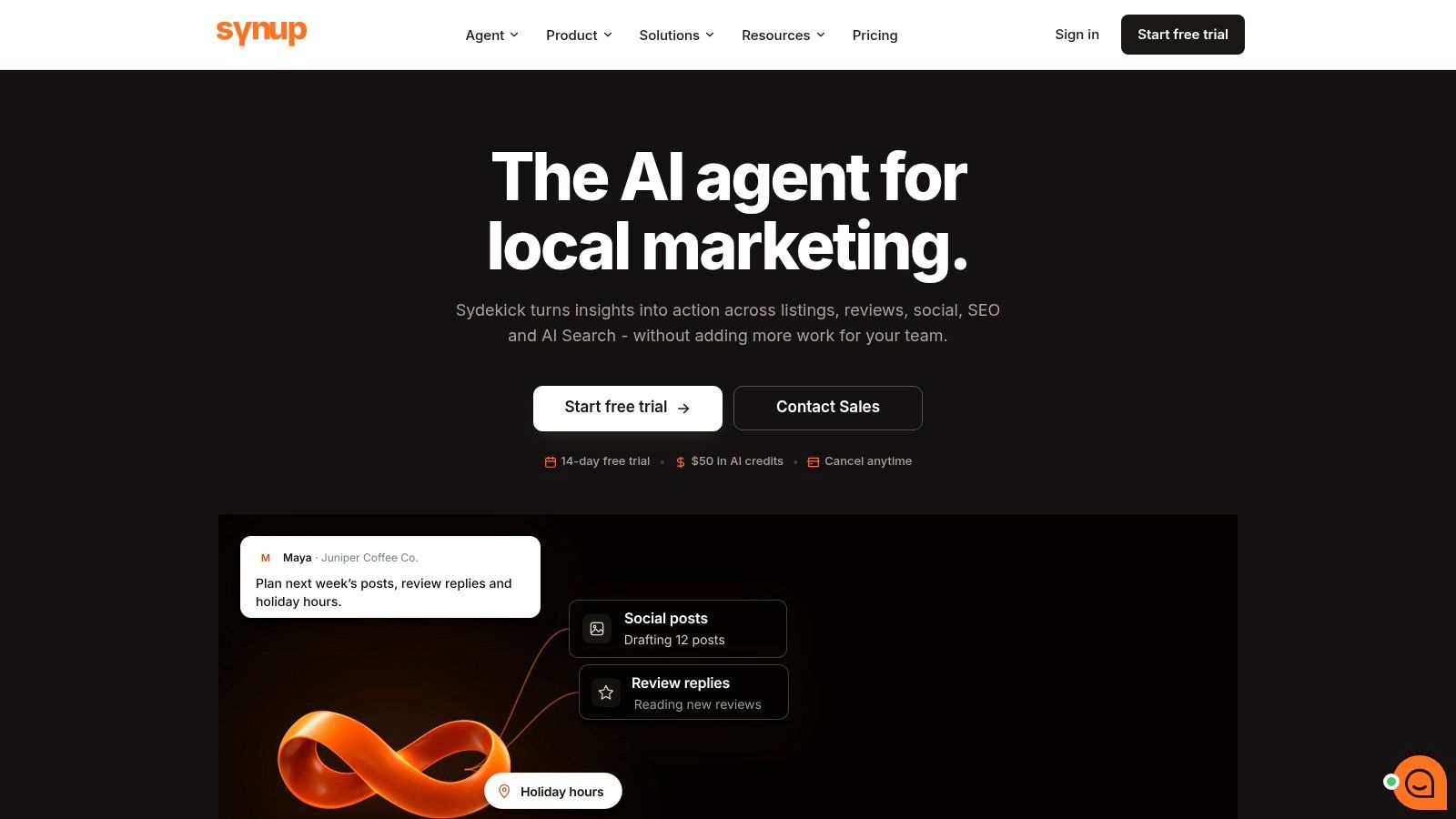
Synup suits businesses that need to manage local information as well as monitor AI visibility. Incorrect opening hours, mismatched location details, unanswered reviews, and inconsistent location pages call for operational fixes, not just another content report.
Synup's AEO platform monitors presence in ChatGPT, Gemini, and Perplexity and helps identify citation gaps. Its broader platform brings listings, reputation management, local publishing, location pages, and reporting together. That makes the fit different from a prompt-only subscription: Synup connects visibility checks to local information and review workflows.
Where execution changes the buying decision
Synup's Sydekick agent can research, draft, and publish through approval workflows, with an audit trail of proposed and completed actions. Per-client memory and brand voice help agencies keep location-specific instructions separate.
- Operational fit: Listings synchronization, review responses, and local publishing accompany visibility diagnostics.
- Agency fit: Multi-client workspaces, branded portals, permissions, and white-label reporting support client delivery.
- Cost at scale: Plans vary by location count and agent throughput. Request a quote for your location count before comparing the bill with a prompt-only subscription.
The trade-off is straightforward. An agency managing local information and reviews may use several of these workflows, while a business that wants occasional AI checks may not need them. Confirm the prompt allowance and included agent throughput before choosing a plan; the location-based pricing model does not provide a directly comparable prompt-only price.
What it won't tell you: A citation gap does not show which correction will generate a qualified lead. You still need conversion tracking and a named owner to handle the fixes.
Choose Synup when local information and AI visibility need to be managed in the same workflow.
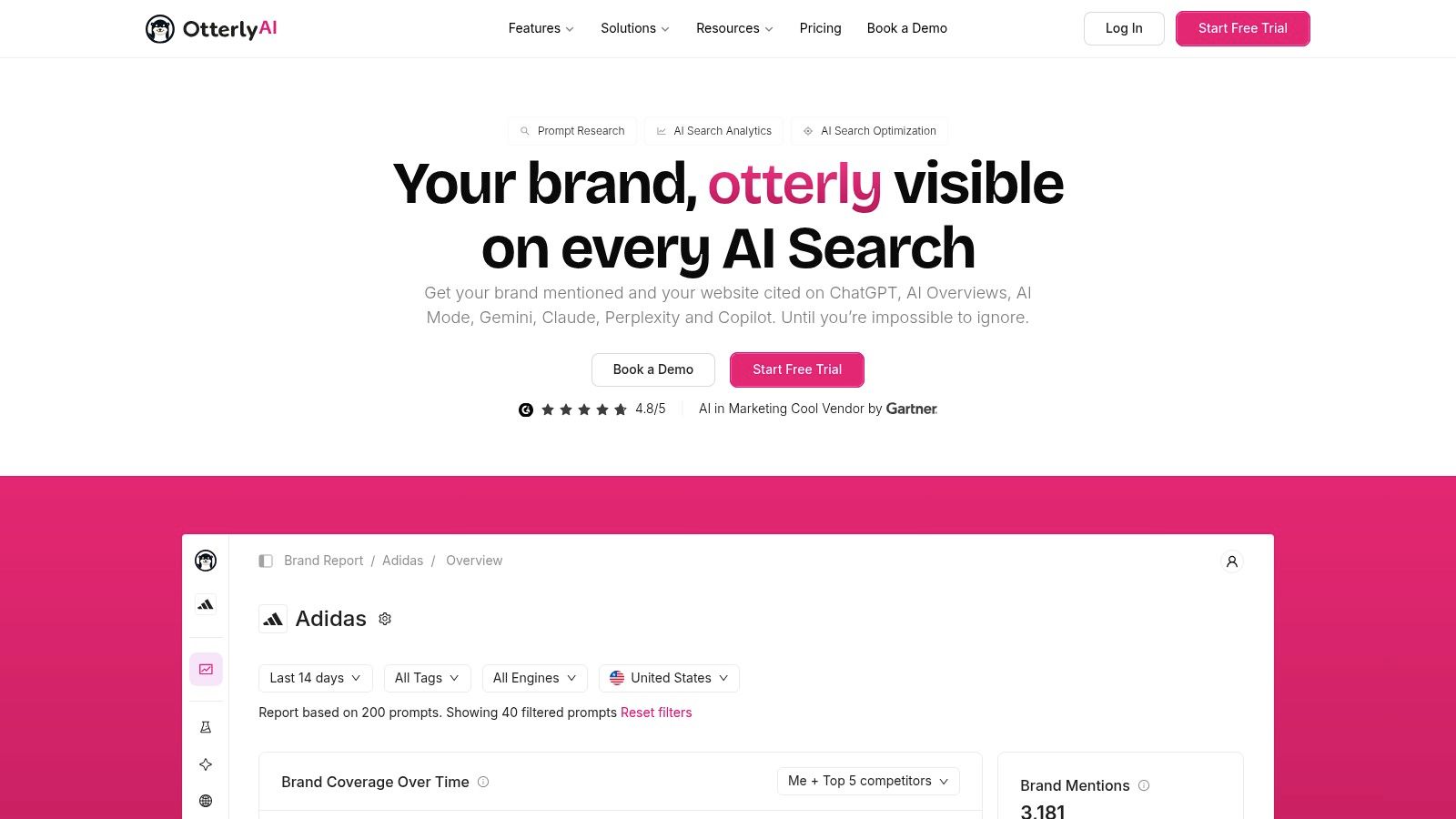
2. OtterlyAI
Buy a small monitoring experiment before buying an enterprise program. OtterlyAI is a reasonable candidate when you haven't established whether AI recommendations matter to your customer journey.
OtterlyAI lists Lite at $29 per month, Standard at $189, and Premium at $489, with custom Enterprise pricing. It tracks prompts, brand mentions, competitor visibility, and citations, with GEO URL audits and downloadable reports.
Keep the experiment narrow
Start with customer questions that could lead to a purchase. An Omaha service business should prioritize provider comparisons, service availability, and location-specific recommendations over broad educational topics.
- Engine coverage: Confirm the included engines at your chosen tier. Some engine access can add cost.
- Capacity: Prompt allowances vary by plan; don't assume the entry price supports your entire query set.
- Execution: Audits identify work, but your team still needs to edit pages and address external citation gaps.
Our explanation of answer engine optimization can help your team agree on what to measure before configuring tracking.
What it won't tell you: A mention report won't establish whether buyers preferred your business or contacted you.
Use OtterlyAI to validate a focused question set before expanding the monitoring budget.
3. HubSpot AEO
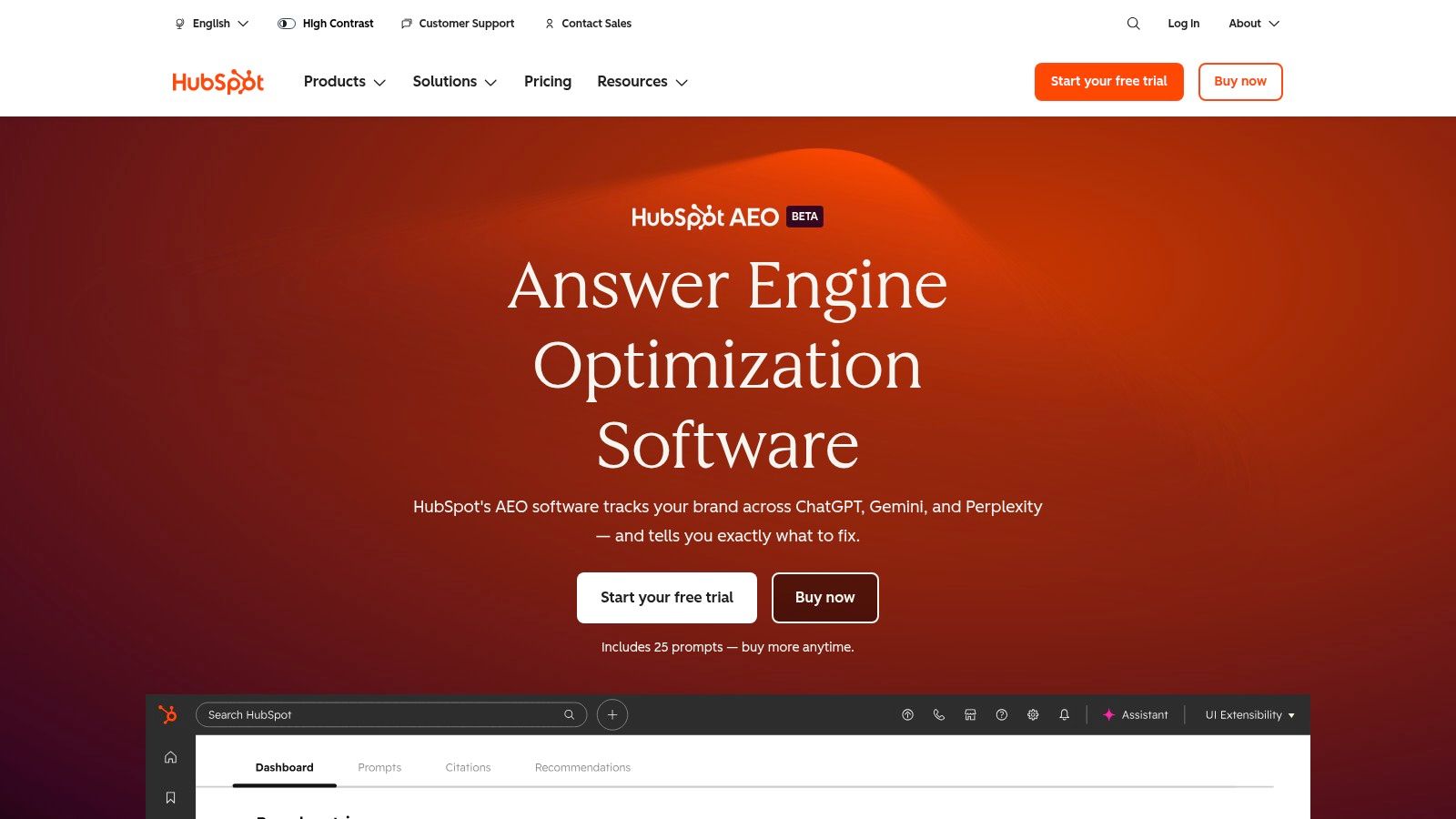
Already using HubSpot? Workflow fit may matter more than maximum engine coverage. HubSpot AEO combines visibility and sentiment monitoring with competitor comparisons, citation analysis, prompt suggestions, and prioritized recommendations.
The HubSpot AEO product page lists its standalone plan at $50 per month, or $45 per month billed annually, including 25 prompts checked daily across ChatGPT, Gemini, and Perplexity. That's a clear starting point for a business with a tightly defined buyer-query set.
Watch the subscription boundary
The standalone product and the broader HubSpot platform aren't interchangeable purchases. CRM-connected capabilities can use Marketing Hub Pro or Enterprise context, while some content capabilities require a larger subscription.
That makes HubSpot attractive when the marketing team already works there. It makes less sense to buy a wider platform solely to avoid exporting an AEO report.
Cost at scale: Establish how additional prompts and brands are handled before expanding beyond the standalone allowance. Don't assume existing CRM access includes every AEO capability.
What it won't tell you: Monitoring these engines doesn't establish your visibility in other AI search experiences.
Choose HubSpot AEO for a defined monitoring program inside an existing HubSpot workflow, not for assumed coverage everywhere.
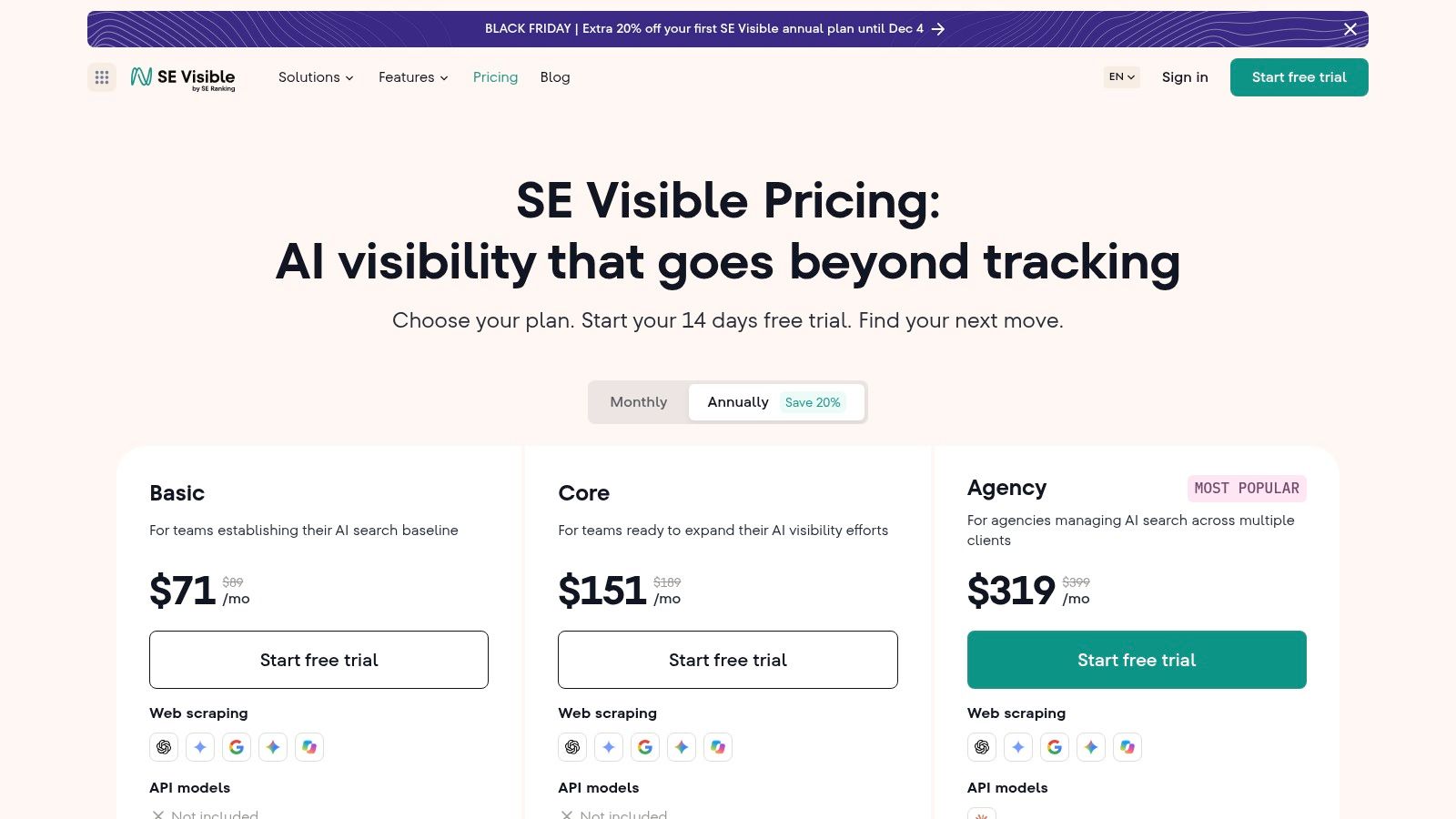
4. SE Visible
An agency doesn't just need more prompts. It needs clean separation between clients, markets, and reporting responsibilities. SE Visible's project and location structure makes those purchasing questions central.
SE Visible's pricing page lists Basic at $89 per month, Core at $189, and Agency at $399, with lower monthly rates for annual billing and custom Enterprise pricing; Basic allows one location per project. Listed capabilities include mentions, share of voice, sentiment, citation analysis, CSV exports, API access, and MCP access.
Evaluate the reporting handoff
- Engine coverage: Require the exact included engine list for the plan you're considering. Don't buy on an umbrella claim about AI visibility.
- Project capacity: Map each client and market to the project structure before selecting a tier.
- Delivery: CSV exports can support analysis, but they aren't a finished client presentation.
Unlimited user access on listed paid plans can help teams collaborate without treating every reviewer as another purchasing decision. Website implementation remains a separate responsibility.
What it won't tell you: A competitor citation gap doesn't tell your developer exactly which page change will resolve it.
Choose SE Visible when projects, locations, and data access matter more than built-in content production.
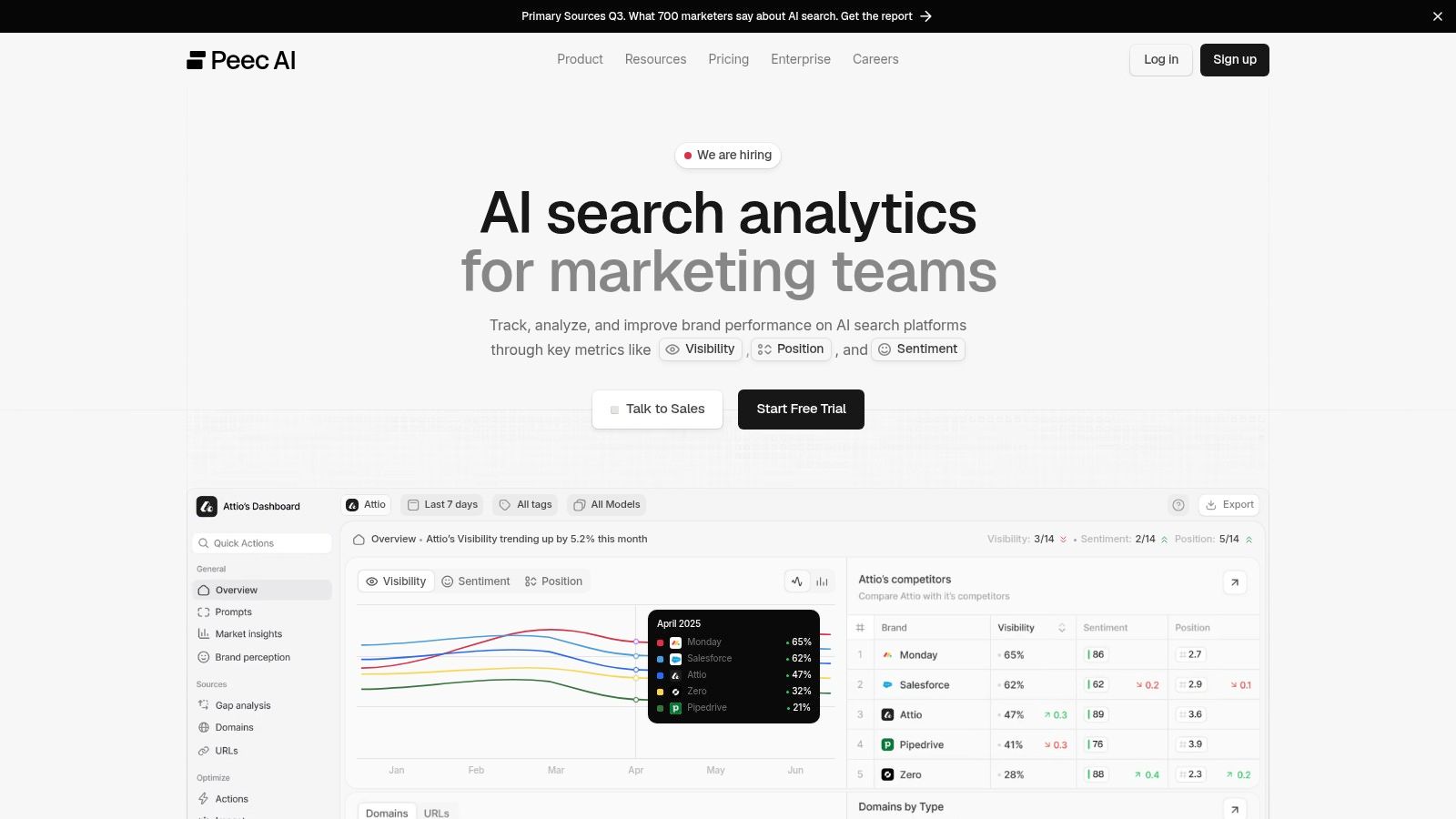
5. Peec AI
Peec AI suits teams that want a shared view of AI visibility without immediately building a content automation system. Its reporting centers on visibility, position, sentiment, competitors, and cited sources.
Peec AI lists Starter at $95 per month, Pro at $245, and Advanced at $495; Starter includes 50 prompts, one project, and three selected models, with additional model tracking potentially costing extra. Higher tiers add multi-project and multi-country capabilities, while API access requires Enterprise.
Model selection is a budget decision
Choosing models isn't a cosmetic setup step. If your buyers research suppliers in an engine outside the selected coverage, an attractive aggregate score may still leave your main commercial question unanswered.
Unlimited users on listed brand plans can make Peec practical for shared analysis. Content, SEO, and leadership can inspect the same reporting without relying on screenshots passed between teams.
Cost at scale: Price the required combination of models, countries, projects, and integration access. Don't assume a larger prompt allowance also expands every other limit.
What it won't tell you: Sentiment and position don't establish why a buyer chose a competitor.
Peec is a fit for collaborative monitoring when you can define the models and markets that actually matter.
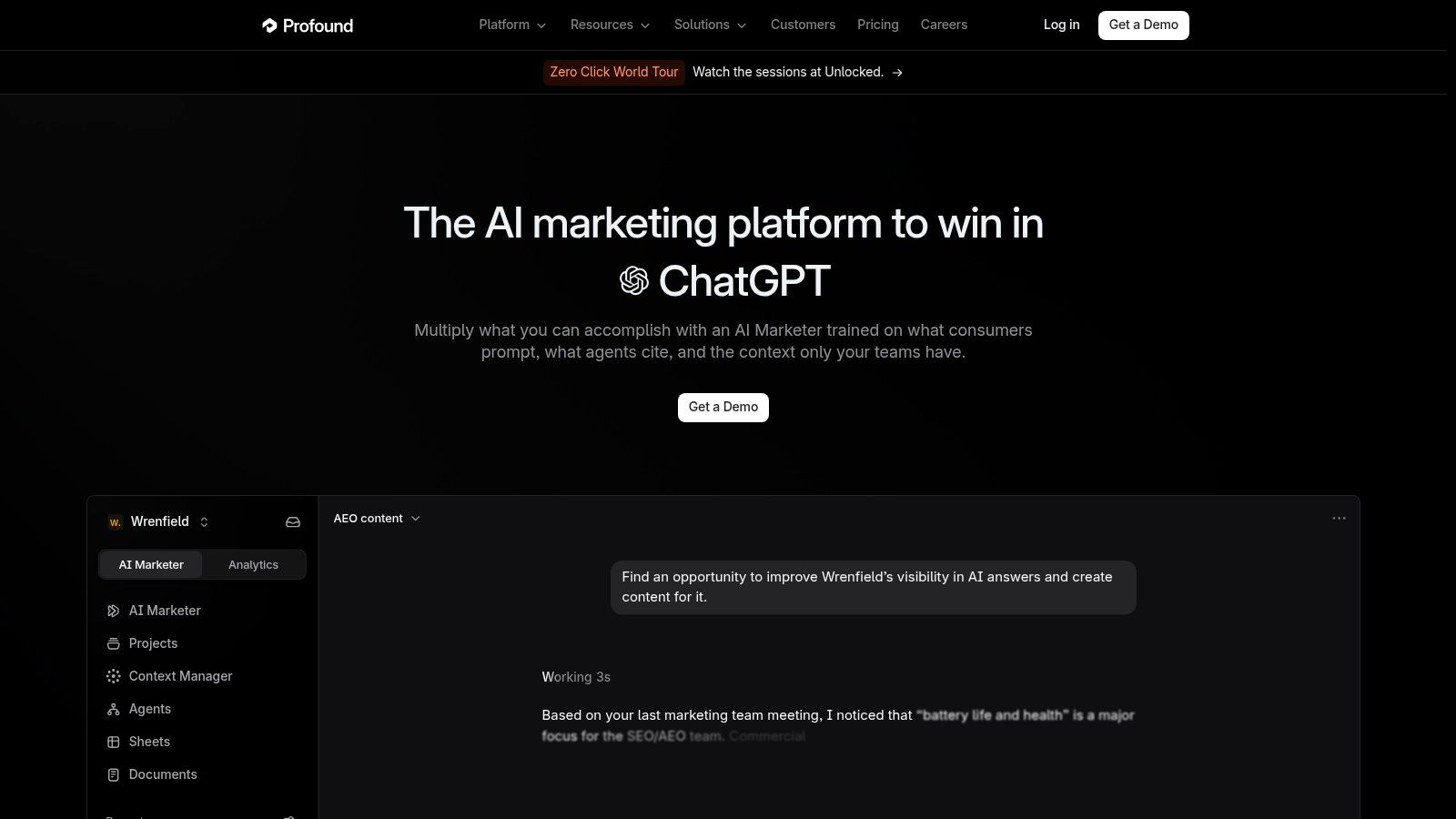
6. Profound
The useful distinction with Profound is page-level investigation plus tools for acting on findings. A brand-level score can flag a problem; URL-level citation and crawler information can help a content team investigate it.
Profound lists Starter at $99 per month and Growth at $399, with custom Enterprise plans. Its offering combines visibility monitoring, citation analytics, prompt insights, and content or agent capabilities on applicable plans.
Don't buy the enterprise description at the starter price
Feature access differs considerably by tier. Broader engine and regional requirements, API access, and organizational controls need explicit confirmation rather than assumptions based on the platform's overall capabilities.
- Best fit: Brands with someone responsible for investigating cited pages and commissioning changes.
- Execution fit: Teams that want recommendations and content workflows alongside monitoring.
- Expansion risk: Custom prompts, integrations, and broader coverage can move the purchase into Enterprise.
For a business that hasn't established its starting position, our AEO Audit service is an alternative to configuring an ongoing platform immediately.
What it won't tell you: AI crawler activity isn't proof that an engine used a page in a buyer-facing answer.
Buy Profound when your team can turn page-level evidence into an ongoing optimization program.
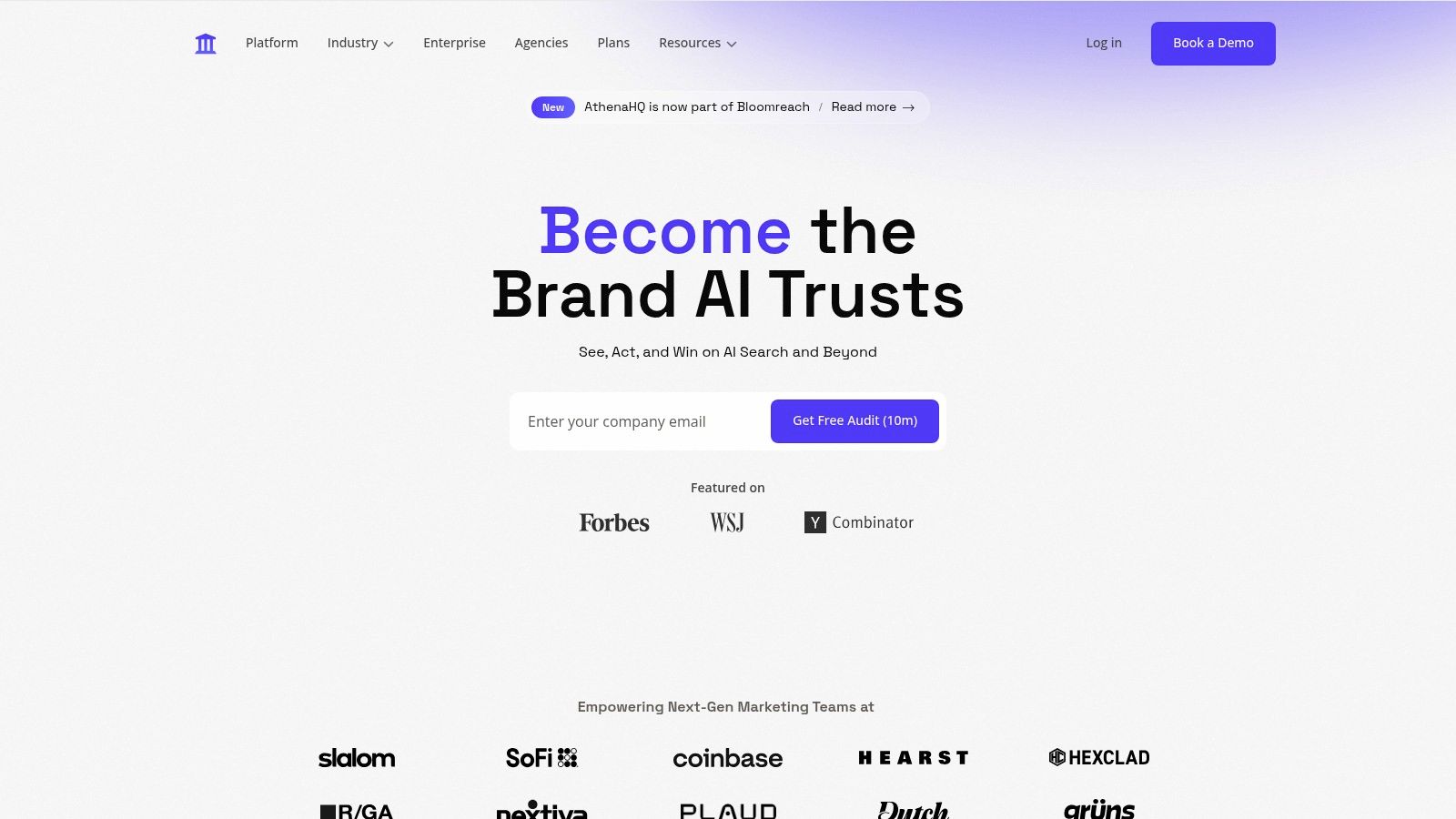
7. AthenaHQ
A recommendation is useful only if someone can turn it into a specific task. AthenaHQ deserves consideration when you want monitoring, competitor analysis, and content-gap recommendations in the same workspace.
AthenaHQ lists a $295-per-month plan and offers a free audit. Its listed capabilities include cross-engine visibility monitoring, citation analysis, competitor share of voice, sentiment, alerts, and optimization recommendations.
Make the demonstration operational
Bring actual buyer questions to the evaluation. Ask the vendor to show an answer, its cited sources, the identified gap, and the recommended action.
Then inspect the boundary between advice and execution. A recommendation to improve authority is too broad to assign; identifying a missing comparison page or inaccurate brand description is actionable.
Cost at scale: Confirm the model roster, prompt or response allowance, project limits, and add-ons in writing. The headline price alone doesn't establish the cost of your intended monitoring program.
This is a stronger fit for a team conducting ongoing optimization than a business that only wants occasional checks.
What it won't tell you: An alert doesn't establish whether a changed answer reflects your edits, competitor activity, or ordinary answer variation.
Evaluate AthenaHQ on the specificity of its recommendations, not the number of dashboard panels.
8. Scrunch
Scrunch fits teams that need technical site checks alongside AI visibility monitoring. The buying decision turns on whether those checks lead to work your developers can take on, and whether the listed plan covers the engines and prompt volume you need.
Scrunch lists Core at $250 per month, with 125 prompts, five monthly site audits, one brand workspace, five user licenses, and four AI platforms. Expanded engine coverage, API access, and the AXP offering are on custom-priced Enterprise. Confirm which platforms Core includes; the count alone does not identify them.
Give technical findings an owner
A site audit can flag issues involving crawling, rendering, content delivery, or page structure. Those findings matter only if a developer or technical SEO specialist can investigate them. Without someone responsible, the report joins the website backlog.
Check whether one brand workspace fits your location or client structure, and whether the included prompt capacity matches your monitoring needs. Scrunch costs more than entry-level mention tracking, so weigh that price against the technical investigation you need.
What it won't tell you: Passing a site audit doesn't guarantee that an engine will select your page as a source.
Choose Scrunch when technical site checks are part of your AEO work, not just visibility tracking.
9. Semrush AI Visibility Toolkit
Semrush is easiest to justify when your team already uses it for SEO. The AI Visibility Toolkit adds AI mentions, competitor reporting, prompt research, custom tracking, and AI-readiness checks to that workflow.
The Semrush AI Visibility Toolkit pricing page lists standalone Base at $99 per month per domain when billed annually, including 25 tracked prompts. Additional domains, users, and prompt capacity can increase the total cost.
The domain boundary matters
An e-commerce business with separate storefronts or an agency with several clients should model the domain structure before comparing entry prices. A per-domain purchase behaves differently from a shared prompt pool.
Engine coverage also needs a plan-specific check. Don't assume every AI experience represented in research reports is included in custom prompt tracking.
Our guide to optimizing for AI search can help translate findings into page improvements. Buying the toolkit doesn't assign that work to anyone.
What it won't tell you: An AI-readiness check doesn't prove that a proposed page update will earn citations or produce sales.
Choose Semrush for continuity with existing SEO operations, then price the full domain and prompt requirement.
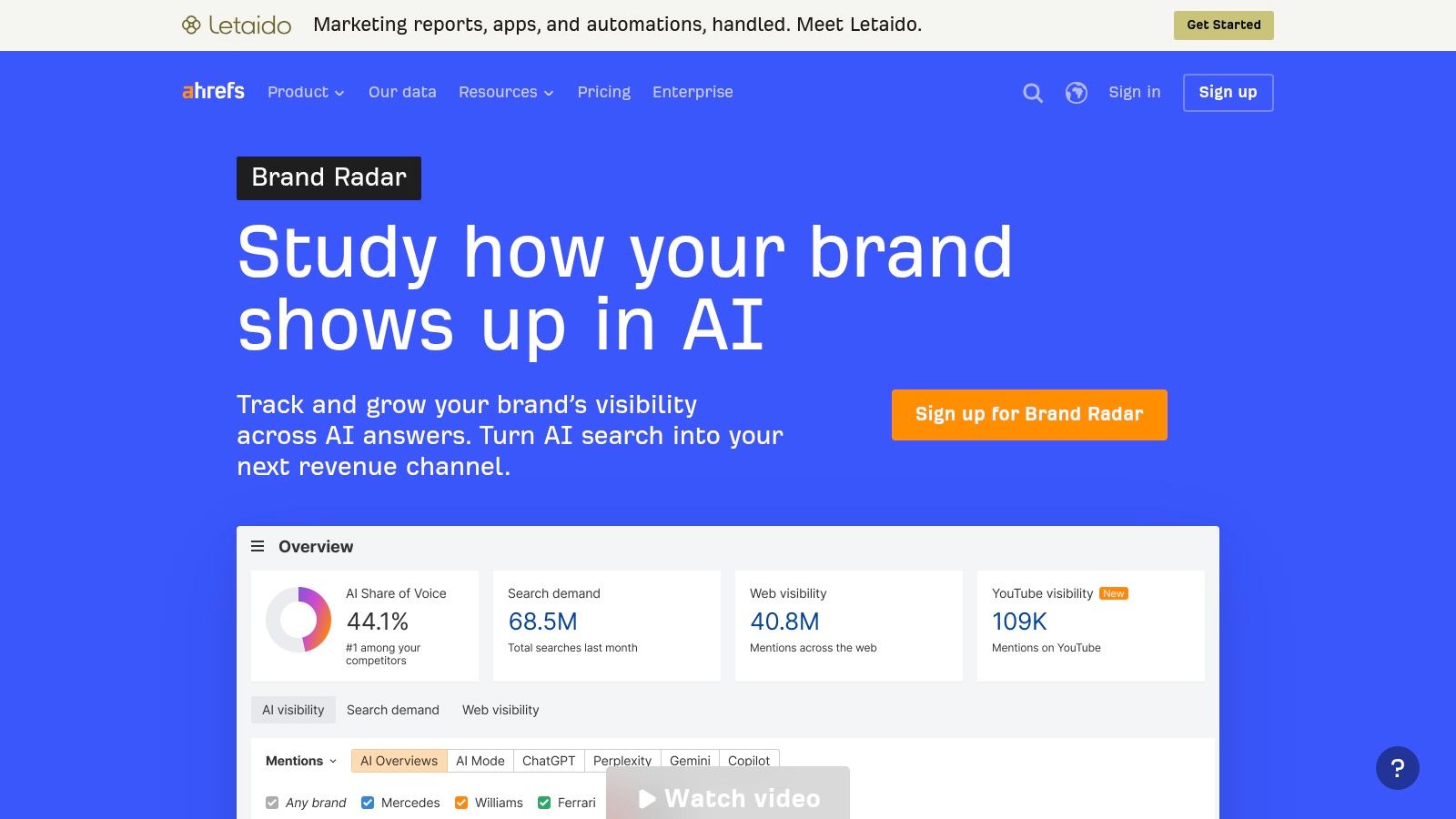
10. Ahrefs Brand Radar
Researching a market and monitoring your own buyer questions are different jobs. Ahrefs Brand Radar supports both, but its pricing separates the broad research index from custom prompt tracking.
Ahrefs Brand Radar lists the AI Visibility Index from $199 per month for one index, $699 per month for all-platform access, and separate custom prompt packages starting at $50 per month. Coverage includes experiences such as ChatGPT and Google AI Overviews.
Decide which purchase you need
The broad index helps investigate brands, competitors, topics, and cited sources without first defining every question. Custom monitoring answers a narrower question: what happens when engines receive the prompts you've chosen?
- Research requirement: Explore where competitors appear across a wider prompt database.
- Monitoring requirement: Track a stable set of commercial questions.
- Billing requirement: Confirm check allowances, refresh cadence, and potential overage charges.
Ahrefs can complement an existing SEO workflow, but don't assume its broader subscription includes every Brand Radar component.
What it won't tell you: Visibility within the research index isn't a complete measurement of the questions your customers ask.
Buy the index for discovery and custom tracking for a written monitoring hypothesis.
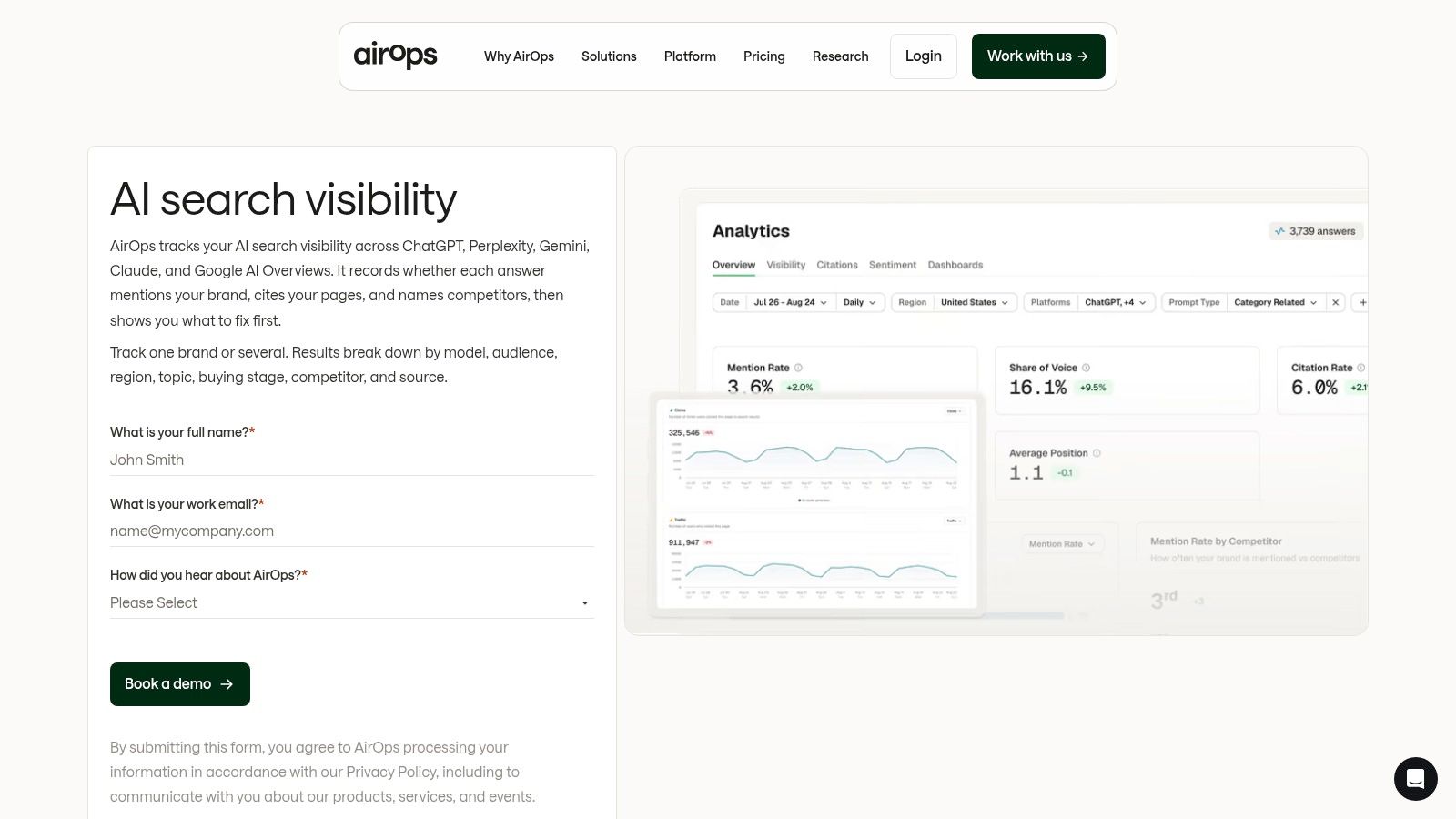
11. AirOps
A publisher with a substantial page library has a different constraint from a local business checking brand mentions. AirOps focuses on connecting AI search insights with content production and workflow automation.
AirOps lists a free Solo plan and a 14-day trial, while Pro and Enterprise pricing depends on task volume and requirements. Brand Kits, Knowledge Bases, page-level insights, and integrations support content creation and maintenance.
Price the workflow, not just access
Define what happens after the platform identifies a weak page. Your workflow might collect source material, draft an update, apply brand instructions, route it for review, and publish through a CMS integration.
Each stage needs clear ownership. Automation can reduce repetitive work, but editorial review still needs to catch unsupported claims, stale product information, and changes that don't answer the buyer's question.
Cost at scale: Task-based billing requires a representative workflow estimate. Confirm engine coverage by plan, integration access, and how retries or repeated processing affect usage.
Solo is single-user, so shared production requirements deserve separate evaluation.
What it won't tell you: Publishing more content doesn't establish that the content is useful or commercially effective.
Choose AirOps when the bottleneck is producing and maintaining better pages, not discovering another visibility score.
AEO Tools Compared
The lowest list price does not always buy the monitoring or execution a team needs. Compare engine coverage, the cost of adding prompts, projects, or domains, and whether the platform helps act on its findings. The table lists starting prices and the main trade-off for each tool.
| Tool | Starting Price | Best Fit | Standout Strength | Main Limitation |
|---|---|---|---|---|
| Synup | Custom, based on location count and agent throughput | Agencies and multi-location businesses | Combines AI visibility diagnostics with local listings and reputation management | Pricing depends on location count and agent throughput |
| OtterlyAI | $29/month | Smaller teams testing AI search visibility | Daily prompt tracking and citation analysis | Prompt allowances and engine costs vary by plan |
| HubSpot AEO | $50/month, or $45/month billed annually | Small businesses, especially existing HubSpot users | Visibility, competitor, and citation tracking across three engines | Limited prompt allowance and engine coverage |
| SE Visible | $89/month | Agencies and teams tracking multiple markets | Multi-location reporting with API and MCP access | Basic plan allows one location per project |
| Peec AI | $95/month | Teams and agencies needing shared visibility reporting | Visibility, position, sentiment, and source analysis | Starter is limited to one project and 50 prompts |
| Profound | $99/month | Larger brands investigating AI citations and page performance | Page-level citation reporting and action-oriented tools | Broader capabilities and API access require higher tiers |
| AthenaHQ | $295/month | Teams seeking dedicated AI search optimization | Combines monitoring, recommendations, and content-gap analysis | Plan details and allowances may need vendor confirmation |
| Scrunch | $250/month | Businesses assessing both AI visibility and site accessibility | Pairs visibility monitoring with site audits | Expanded engine coverage and API access require Enterprise |
| Semrush AI Visibility Toolkit | $99/month per domain, billed annually | Semrush users adding AI search reporting to SEO workflows | Connects AI visibility research with traditional SEO tools | Base plan is limited to 25 tracked prompts |
| Ahrefs Brand Radar | $199/month for one index | Teams researching brand visibility alongside Ahrefs SEO data | Broad AI prompt index plus custom prompt tracking | Index access and custom monitoring are separately priced |
| AirOps | Free Solo plan | Content teams managing large page libraries | Combines AI search insights with content workflows and automation | Task-based pricing can make costs less predictable |
Synup's custom starting price is the practical distinction: location count and agent throughput shape the bill, so compare a quote against the specific locations and monitoring volume you need. For fixed monthly plans, check the included prompt, project, and domain allowances before comparing headline prices. A low entry price can still mean limited coverage or a higher tier to track more.
No row answers every buying question. The table identifies each tool's stated fit and limitation, but does not establish whether its engine coverage matches your audience or whether its findings lead to useful changes. Check those details against your requirements before choosing.
Match the Tool to the Job Before You Match the Price Tag
Start with buyer queries, not a vendor demonstration. Write down 25 to 40 real buyer queries for your market, using sales questions, product comparisons, service-area questions, and objections that delay purchases. Check which engines buyers open through customer conversations and sales discovery, rather than assuming your team's preferences represent the market.
Keep location and buying intent explicit. An Omaha provider recommendation and a general explanation of the same service require different answers. Compare your written query set with the published prompt allowances above, and establish whether engines, markets, and repeated checks consume additional capacity.
Separate monitoring from execution
Name the person who will rewrite pages, refresh schema, correct business information, and pursue relevant citation opportunities. If nobody has that responsibility, another dashboard won't resolve the problem.
An execution layer such as AirOps or Profound, or a services partner, may be more useful than broader monitoring. Set an approval process before automating publication, especially when pages contain pricing, availability, or technical claims.
Model the actual annual commitment
Build the budget around your required prompts, projects, domains, models, users, integrations, and task volume. Record what happens when you exceed each allowance and whether expanding coverage requires a higher tier or a separate purchase.
Keep monitoring connected to business outcomes. Review accurate representation, commercial recommendations, qualified referrals, calls, form submissions, and sales alongside citations. A favorable answer is useful evidence, but it isn't revenue attribution on its own.
Decide whether software is necessary yet
A fixed-scope baseline is a legitimate first purchase when you only need to establish where you stand. Up North Media's AEO Audit costs $1,950 flat, with no lock-in, and runs 25 to 40 real buyer queries across five engines: ChatGPT, Perplexity, Gemini, Claude, and Google AI Overviews.
We deliver it within 10 business days, including an AI Citation Baseline with screenshots and a scorecard, competitor citation analysis, a technical foundation review, and one optional follow-up call. That gives your team a defined starting position before deciding whether ongoing software is necessary.
Book Up North Media's free 60-minute strategy call if you're still scoping the problem, or choose the fixed-scope audit if you're ready for a baseline. Pick the tool that answers your team's actual question this quarter, run it for a quarter against a written query set, and re-evaluate using evidence rather than the next feature announcement.