
You wrote the post. The hook is sharp, the creative looks polished, and the point is useful. Then the post stalls at a few likes and a couple of polite comments. That gap usually isn't about effort. It's about distribution.
On LinkedIn, hashtags still help people and the platform understand what your post is about, but they don't work the way many marketers assume. Dumping a long tail of generic tags at the bottom of every post doesn't widen your reach. It often makes the post look unfocused. The best linkedin hashtags work when they match your topic, support your keywords, and help the right audience discover your content.
The practical shift is simple. Treat hashtags as targeting tools, not decoration. Research from Statista's LinkedIn hashtag engagement analysis found that posts using one to three hashtags generated the highest average likes, at 14.7 per post. That lines up with what many practitioners now see in daily publishing. Tight sets beat long lists.
If you're trying to build a cleaner system, PostSyncer's hashtag research guide is a useful companion. For now, let's get straight to the list and the strategy behind it.
1. #LinkedInTips
If you teach people how to use LinkedIn better, this hashtag earns its place fast. It works well for profile rewrites, posting tactics, networking workflows, comment strategy, and creator-side platform changes. The audience behind it wants utility, not vague motivation.
What performs best under #LinkedInTips is content with an immediate payoff. A post like “3 profile mistakes costing you replies” usually has more pull than a broad thought-leadership paragraph. Use the first two lines to promise a clear outcome, then make the advice skimmable.
How to use it well
Pair #LinkedInTips with one more specific tag so the post doesn't float in a generic advice bucket. Good combinations include #PersonalBranding, #B2BMarketing, or a role-based tag that matches your buyer.
A practical example: if you publish a carousel on “5 fixes for a weak About section,” your caption should lead with the pain point, not the hashtag. Then add your hashtags at the end. LinkedIn's own guidance, cited by multiple 2026 agency resources, recommends using 3 to 5 hashtags per post, which is a useful ceiling when you're deciding how broad or narrow to go.
Keep the lesson specific enough that a reader can apply it in the next ten minutes.
Another strong move is inviting contribution. End with a prompt like, “What's one LinkedIn profile tweak that improved your response rate?” That gives the hashtag more value because the post becomes a conversation instead of a one-way tip drop.
2. #PersonalBranding
#PersonalBranding is one of the best linkedin hashtags when the person behind the post is part of the product. Consultants, founders, recruiters, coaches, and agency leads all benefit from it because trust often forms before a meeting ever gets booked.
This tag works best when your post shows a point of view, not just a polished image. A “day in the life” post can work. So can a lesson from a bad client fit, a hiring mistake, or a positioning shift. Readers don't need your highlight reel every week. They need enough consistency to understand what you stand for.
Where people get it wrong
The mistake is turning personal branding into self-promotion with no transferable value. If every post says, “Look what I achieved,” the audience gets very little from following you. Add the lesson. Explain the decision. Show the framework behind the win or the mistake.
A useful format is:
- Show the moment: Name the project, challenge, or decision.
- Explain the takeaway: Tell people what changed in your thinking.
- Connect it to your work: Point readers to the service, niche, or expertise you want to be known for.
Field note: The strongest personal brand posts sound like a practitioner talking shop, not a résumé talking to itself.
Design consistency matters here too. If your visuals use the same colors, fonts, and image style over time, your posts become more recognizable in-feed. That's especially helpful when you combine #PersonalBranding with one niche tag tied to your actual expertise.
3. #DigitalMarketing
Broad hashtags still have a role. #DigitalMarketing is one of them. It reaches a large professional audience and gives your post a clear category, especially if you're publishing about SEO, paid media, analytics, conversion strategy, or campaign teardown content.
It also needs restraint. Broad tags are useful for visibility, but they shouldn't carry the whole targeting job. Research summarized in Meet Alfred's LinkedIn hashtag statistics and strategy overview notes that top-performing general hashtags such as #innovation and #management have follower counts above 38 million and 35 million respectively, yet they tend to be less effective for niche B2B demand generation than vertical-specific tags. That's the trade-off in one sentence. Big audience, lower precision.
Best pairing strategy
Use #DigitalMarketing when the content is cross-channel or executive-level. If the post is narrowly about technical SEO, email automation, or CRO, pair the broad tag with more precise tags that narrow intent.
Good examples include:
- Agency case studies: Pair #DigitalMarketing with #SEO or #LeadGeneration
- Trend commentary: Pair it with #B2BMarketing or #ContentMarketing
- Local service content: Pair it with a city or regional niche tag if that audience matters
This is also a great hashtag for posts with charts, infographics, and campaign screenshots. Visual proof gives broad-topic posts more stopping power. If you're asking readers to download a guide, request an audit, or book a call, #DigitalMarketing supports that CTA without making the post feel too niche too early.
4. #ContentMarketing
For publishers, in-house content teams, and agencies, #ContentMarketing is one of the most versatile hashtags on LinkedIn. It works for editorial workflows, repurposing systems, distribution strategy, content audits, and performance analysis.
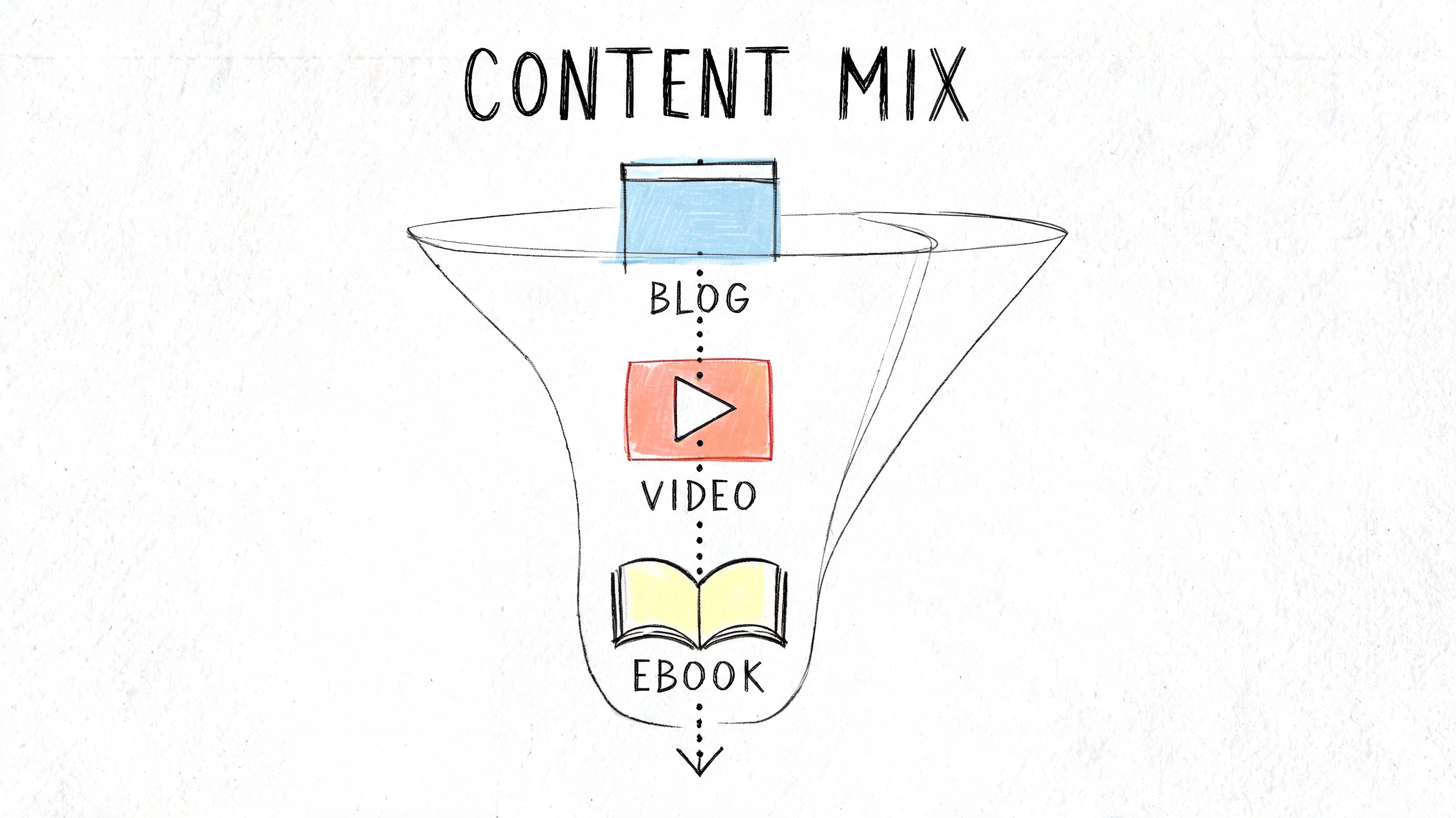
The strongest posts under this tag don't just say “content matters.” They show process. A screenshot of an editorial calendar, a short breakdown of how a blog became a newsletter and then a carousel, or a post explaining how you refresh aging content will usually land better than generic inspiration.
Practical posting angle
If you already publish long-form pieces, break one asset into a LinkedIn-native post. Pull out the strongest framework, the most contentious opinion, or the clearest before-and-after editorial decision. Then link readers to a deeper resource such as these content marketing strategy examples.
A few content formats fit #ContentMarketing especially well:
- Audit posts: Show what you cut, merged, or rewrote
- Distribution posts: Explain how one asset becomes many
- Editorial lessons: Share what your team changed after weak performance
What doesn't work is using this hashtag on posts that are really about brand culture or generic entrepreneurship. Keep the link between the tag and the actual topic obvious.
A content post earns more trust when you reveal the workflow, not just the finished asset.
For digital publishers, this tag is especially helpful when paired with one topic-specific hashtag. That combination keeps the post relevant both to content operators and to the audience segment the piece is meant to reach.
5. #SEO
A weak SEO post gets exposed fast on LinkedIn. The people who follow #SEO usually know the difference between recycled advice and real search work, so this hashtag rewards precision more than hype.
Specificity carries the post. A caption like “SEO keeps changing” fades into the feed. A post like “What I check first after a sudden drop in non-brand clicks” gives readers a reason to stop, save, and respond. Screenshots from Search Console, a short SERP comparison, or a clear before-and-after title rewrite tend to perform well because they show method, not just opinion.
Use #SEO with a narrow angle
This tag works best when you pair it with one clear problem, audience, or workflow. That could be technical cleanup, internal linking, content refreshes, local visibility, or reporting. Broad marketing commentary usually attracts the wrong clicks and weakens the signal.
Good pairings look like this:
- Technical issue post: #SEO plus one issue-specific hashtag
- On-page update post: #SEO plus #ContentMarketing
- Local search post: #SEO plus an industry or location tag
Keep the hashtag count tight. For SEO posts, one to three relevant tags is usually enough. More than that often makes the post look packaged for distribution instead of written from practice.
If the topic needs more context than a LinkedIn post can carry, send readers to a deeper resource such as this guide on how to improve SEO.
One format deserves more use here. Run a poll around a real search problem, then publish the follow-up with your diagnosis. For example, ask whether your audience is struggling more with indexing, content decay, or low CTR. The poll gives you language from the market, and the next post turns #SEO into a useful conversation instead of a label.
6. #B2BMarketing
If you sell to teams, not individual consumers, #B2BMarketing deserves a permanent place in your rotation. It fits account-based campaigns, CRM workflows, sales and marketing alignment, funnel diagnostics, and buying-committee content. It also signals a more complex buying process, which helps the right readers self-select.
This hashtag performs best when the post reflects how B2B buying works. That means multiple stakeholders, longer sales cycles, and trust built over repeated exposure. Generic growth advice often misses that reality. Posts about messaging for different decision-makers, handoff friction between SDR and AE teams, or content mapped to late-stage objections usually resonate more.
Strong use cases
Use #B2BMarketing when your post includes a concrete business context. That could be SaaS onboarding content, manufacturing lead qualification, professional services positioning, or account-based outreach. The post should feel grounded in team buying, not borrowed from DTC playbooks.
A few patterns work especially well:
- Campaign breakdowns: Show how each touchpoint supports the deal cycle
- Messaging lessons: Explain what changes when finance, operations, and IT all influence the decision
- Sales enablement posts: Share the assets reps use in real conversations
If you're tempted to stack #B2BMarketing with five other broad business hashtags, don't. This tag already gives enough category context. Add one narrower tag that matches the use case and one branded or local tag if it helps with audience fit.
7. #LeadGeneration
#LeadGeneration is practical by nature. People clicking into this topic want working tactics, not broad philosophy. That's why this hashtag is a strong fit for landing page reviews, outreach frameworks, qualification systems, forms, scheduling flows, and offer testing.
It also demands proof of thinking. You don't need inflated claims. You do need clarity. If the post says “improve lead quality,” explain whether you changed the CTA, reduced friction in the form, tightened audience targeting, or rewrote the offer. Specificity is what makes this hashtag useful instead of spammy.
What usually works
Lead generation posts do well when they center one step in the funnel. A post on thank-you page mistakes is better than a post trying to explain your entire demand gen philosophy in one caption. Likewise, a post offering a free landing page review can work if the value is obvious and the ask is low-friction.
Use language that answers the buyer's question quickly:
- What is this for: audit, template, teardown, checklist
- Who is it for: SaaS founders, local service companies, in-house marketers
- What changes after using it: clearer offer, better qualification, cleaner handoff
If the offer isn't clear by the second sentence, the hashtag won't save the post.
This is one of the best linkedin hashtags for service businesses because it connects naturally to action. Just keep it tied to genuine conversion problems, not vague “get more leads” promises that any reader has seen a hundred times already.
8. #SocialSelling
A lot of people use #SocialSelling when they're really talking about cold outreach. That misses the point. Done well, social selling is relationship-building in public and in direct conversation. It includes commenting, pattern recognition, message timing, and relevance long before a pitch appears.
That makes this hashtag especially useful for sales teams, founders, and consultants who use LinkedIn as part of a trust-building process. Recaps from workshops, examples of better first messages, and posts about how to respond to buying signals all fit well here.
The practical difference
Weak social selling content tells people to “be authentic.” Strong social selling content shows the sequence. For example, you comment thoughtfully on a prospect's recent post, then send a message referencing the exact point they made, then continue the conversation around a real business issue instead of forcing a demo request.
This hashtag also benefits from first-person examples when they're real and specific. A rep can share the exact opener that started a useful conversation. A founder can explain why they stopped pitching in the first message. Those observations feel credible because they're grounded in behavior.
A few ideas that fit the tag:
- Message rewrite posts: Show a poor outreach opener next to a stronger version
- Engagement workflow posts: Explain how your team uses comments before DMs
- Sales coaching posts: Share one correction that improved conversation quality
Use #SocialSelling when the post teaches relationship mechanics, not just sales ambition.
9. #AIInBusiness
#AIInBusiness works best when you translate technical capability into operational value. That's what decision-makers care about. They don't need another vague post saying AI will change everything. They need to know what a workflow does, where it fits, and what process it improves.
Many agency and consulting posts frequently go wrong. They lead with tools and jargon instead of business context. A better post explains a use case like support triage, invoice processing, proposal drafting, internal search, or forecasting assistance. The hashtag then reinforces the category without forcing the audience to decode your point.
Keep the post grounded
If you're writing about automation, focus on workflow design, risk controls, and adoption. If you're writing about AI copilots or internal tools, explain who uses them and what task they reduce. Readers are more likely to engage when the post makes implementation feel practical instead of abstract.
For a deeper operational view, this guide on how to implement AI in business fits naturally alongside LinkedIn posts that introduce the topic.
Use pairings carefully. #AIInBusiness often performs better with a niche second tag tied to function or industry than with a broad tech cluster. That's consistent with benchmark findings summarized in Shopify's LinkedIn hashtag overview, which notes that niche hashtags can achieve approximately 3x higher engagement than generic alternatives. In practice, that means a use-case-specific combination usually beats a stack of broad innovation tags.
10. #WebDevelopment
For agencies, product teams, and developers, #WebDevelopment is a useful bridge between technical execution and business outcomes. It supports posts about front-end work, back-end systems, app architecture, performance, responsive design, and deployment lessons.
The strongest posts in this category don't assume everyone reading writes code. They explain the technical decision in terms a buyer or stakeholder can follow. For example, a post about rebuilding a checkout flow can discuss user friction, load performance, and maintainability without becoming a wall of jargon.
Here's a useful visual format for this topic:
What to post under it
Good #WebDevelopment content often falls into one of three buckets. Build walkthroughs, performance improvements, and design-development collaboration posts all work because they show tangible work. If you're sharing code, keep the example short and explain why it matters.
A few strong angles include:
- Feature walkthroughs: Show what the app does and why the interaction matters
- Performance posts: Explain the optimization decision and the user impact
- Collaboration posts: Show how design and development solved the same problem together
There's one more practical angle here. Research gaps remain around localized hashtag strategy on LinkedIn, especially for regional markets and city-based business communities, as noted in eclincher's discussion of LinkedIn hashtag gaps. So if you're a web shop serving a specific metro or state, local hashtag testing still matters. You won't find a universal playbook for that. You'll need to test what your market responds to.
Top 10 LinkedIn Hashtags Comparison
| Hashtag | Implementation complexity 🔄 | Resource requirements ⚡ | Expected outcomes 📊 | Ideal use cases 💡 | Key advantages ⭐ |
|---|---|---|---|---|---|
| #LinkedInTips | Moderate 🔄, need fresh angles | Low–Medium ⚡, short videos/carousels | Higher engagement, saves & shares 📊 | Quick how‑tos, profile fixes, platform hacks | Targets active LinkedIn growth seekers; thought leadership ⭐ |
| #PersonalBranding | High 🔄, requires ongoing authenticity | Medium ⚡, visuals + storytelling | Stronger authority; inbound prospects 📊 | Coaches, freelancers, consultants building reputation | Deep engagement; builds long‑term credibility ⭐ |
| #DigitalMarketing | Moderate 🔄, strategy + data integration | Medium–High ⚡, case studies, visuals | Broad reach; cross‑disciplinary engagement 📊 | Agencies, CMOs, campaign & ROI showcases | Large audience; flexible topic coverage ⭐ |
| #ContentMarketing | High 🔄, research + production heavy | High ⚡, writing, design, audits | Meaningful engagement; long‑term traffic gains 📊 | Publishers, content teams, editorial processes | Specialized audience; repurposable assets ⭐ |
| #SEO | Moderate 🔄, tactical + technical mix | Medium ⚡, tools, audits, screencasts | Targeted organic interest; leads for audits 📊 | SEO consultants, technical audits, rankings recovery | Highly targeted audience; debate around updates ⭐ |
| #B2BMarketing | High 🔄, ABM and sales alignment needed | High ⚡, whitepapers, webinars, metrics | High‑quality enterprise conversations & deals 📊 | Enterprise ABM, lead‑gen for mid/large firms | Reaches decision‑makers; showcases bottom‑line impact ⭐ |
| #LeadGeneration | Moderate 🔄, funnel + CRO focus | Medium ⚡, templates, landing pages | Direct revenue impact when substantiated 📊 | Marketing teams, sales ops seeking quick wins | Actionable tactics tied to conversions & revenue ⭐ |
| #SocialSelling | High 🔄, relationship‑driven, long cadence | Medium–High ⚡, personalization, tracking | Better inbound lead quality; aligned teams 📊 | Sales teams, account execs using LinkedIn outreach | Strengthens pipeline via authentic engagement ⭐ |
| #AIInBusiness | High 🔄, technical + measurable ROI required | High ⚡, demos, KPIs, integrations | Operational efficiency; inbound AI pilots 📊 | AI consultants, automation projects, exec briefings | Positions as cutting edge; demonstrates tangible benefits ⭐ |
| #WebDevelopment | Moderate 🔄, technical depth varies by topic | Medium–High ⚡, code samples, deployments | More portfolio views and dev project inquiries 📊 | Agencies, developers showcasing apps & performance | Demonstrates technical expertise; attracts CTOs/CTOs ⭐ |
Your Hashtag Strategy Playbook
You publish a strong LinkedIn post. The hook is solid, the idea is clear, and the offer fits your audience. Then you tack on six or seven hashtags at the end because they sound relevant. That usually weakens the post instead of helping it.
Hashtags work best on LinkedIn when you use them as a support layer, not as the whole distribution plan. The post itself still does the heavy lifting. Your opening lines, topic clarity, and relevance to the reader matter more than any tag list. In practice, a tight set of one to three hashtags usually looks cleaner, reads more credibly, and gives you enough topical context without cluttering the post.
A practical default is simple:
- One broad industry hashtag:
#DigitalMarketingor#WebDevelopment - One specific topic hashtag:
#SEO,#LeadGeneration, or#AIInBusiness - One niche, branded, or local hashtag: something tied to your offer, market, or audience segment
That structure gives you range and precision. The broad tag helps LinkedIn categorize the post. The focused tag aligns it with the actual subject. The niche tag filters for better-fit viewers.
Placement matters. Put hashtags at the end of the post in most cases so the body stays readable and your first two lines can do the persuasion work. If a hashtag is part of the sentence and reads naturally, use it there. Otherwise, keep it out of the main copy. On LinkedIn, readability usually beats clever formatting.
Treat hashtags as one part of a repeatable system. Build two or three hashtag sets around your real content pillars, then use them consistently enough to spot patterns. For example:
- Case studies: broad service tag, problem-specific tag, proof-oriented niche tag
- Educational posts: industry tag, tactic tag, audience tag
- Founder or company posts: category tag, brand angle tag, community or geography tag
Then check post analytics. Look at impressions, profile views, comments from relevant buyers, and saves if your content tends to teach. High reach with low-quality engagement is not a win if you're trying to generate pipeline. A smaller pool of the right viewers often produces better business results.
Here are three quick templates you can adapt today:
- For SMBs:
#[YourIndustry] #[YourCity] #SmallBusinessTips - For e-commerce:
#[ProductCategory] #Ecommerce #ShopifyTips - For publishers:
#[Topic] #ContentStrategy #DigitalPublishing
Each one reflects a different goal. SMBs often need local relevance and service intent. E-commerce brands usually benefit from pairing the product category with the platform or channel they sell through. Publishers need topic clarity first, then a tag that signals editorial strategy or distribution focus.
There is a real trade-off here. Bigger hashtags can widen visibility, but they also put your post into a noisier stream. Smaller hashtags usually limit reach, yet they tend to attract people with clearer intent. For lead generation, recruiting, or specialist services, that trade is often worth making.
For a wider content system around posting, cadence, and message-market fit, this guide to LinkedIn posting strategy is worth reviewing alongside your hashtag testing.
Treat hashtags like precision tools. Match them to the exact post topic, keep the count tight, and review results every few weeks. That is how you turn “best LinkedIn hashtags” from a generic list into a working playbook.