
You're probably dealing with some version of the same problem most Omaha business owners bring to the table. The website exists, but it isn't producing enough leads. Social posting takes time and doesn't consistently turn into revenue. Paid ads feel risky. Referrals still matter, but they're not enough to support the next stage of growth.
That's where most online growth plans go sideways. Owners jump to a platform before they decide how the business should grow. They start with Instagram, Google Ads, TikTok, email, or SEO. What they need is a system.
If you want to know how to grow business online, think less about “being active online” and more about building a repeatable path from attention to inquiry to sale. That path usually starts with a clear offer, a site built to convert, search visibility for the right terms, and follow-up that happens fast enough to matter. Then you layer in measurement, automation, and selective use of AI.
A small service company in Omaha won't grow the same way a local retailer will. A bakery in Blackstone, a contractor in West Omaha, and a startup selling software all need different tactics. But the structure underneath them is similar. Strong digital growth comes from clear priorities, disciplined execution, and fewer random marketing decisions.
Your Digital Growth Starts with a Plan Not a Platform
A lot of business owners feel behind because they see competitors everywhere. Search results. Paid ads. Video clips. Local map listings. It creates pressure to do everything at once.
That's the wrong move.
The digital shift is bigger than any single channel. Businesses conducted online increased by nearly 40% over the last decade to reach 29.9% of all businesses in 2025, and the US figure is projected to rise another 2.4% in 2026 according to recent business statistics. The practical takeaway is simple. Buyers already expect to research, compare, and often purchase online, even when they eventually buy from a local company.
Start with business goals that can guide decisions
A useful plan starts with outcomes, not activity. “Get more traffic” is too vague. “Generate qualified estimate requests from homeowners in Omaha” is usable. “Increase online orders within a delivery radius” is usable. “Book more demos from operations managers” is usable.
Once the goal is clear, you can make trade-offs:
- If sales cycles are short, speed and conversion matter more than broad awareness.
- If the purchase is considered, educational content and follow-up matter more than vanity metrics.
- If your market is local, Google visibility and a strong site usually matter more than chasing every social trend.
Practical rule: Pick one primary growth objective for the next quarter. Every channel should support that objective or get deprioritized.
Build a roadmap that survives trend changes
Platforms change. Algorithms change. Your business still needs a durable way to attract customers.
That's why a planning process should include:
- Audience definition: Who is the buyer, what are they trying to solve, and what words do they use?
- Offer clarity: What are you selling, who is it for, and why should they act now?
- Channel selection: Which channels fit buyer intent instead of just getting attention?
- Measurement: Which numbers tell you if growth is profitable, not just visible?
If you want a useful reference for channel choices after your core plan is set, this roundup of modern ecommerce marketing tactics is worth reviewing. For a broader planning framework, use a practical digital strategy checklist like this digital marketing strategy guide.
Most businesses don't need more tactics. They need fewer disconnected tactics and one plan that ties them together.
Building Your Conversion-Focused Digital Headquarters
Your website shouldn't act like a digital brochure. It should act like a salesperson who answers the right questions, handles objections, and gives visitors a clear next step.
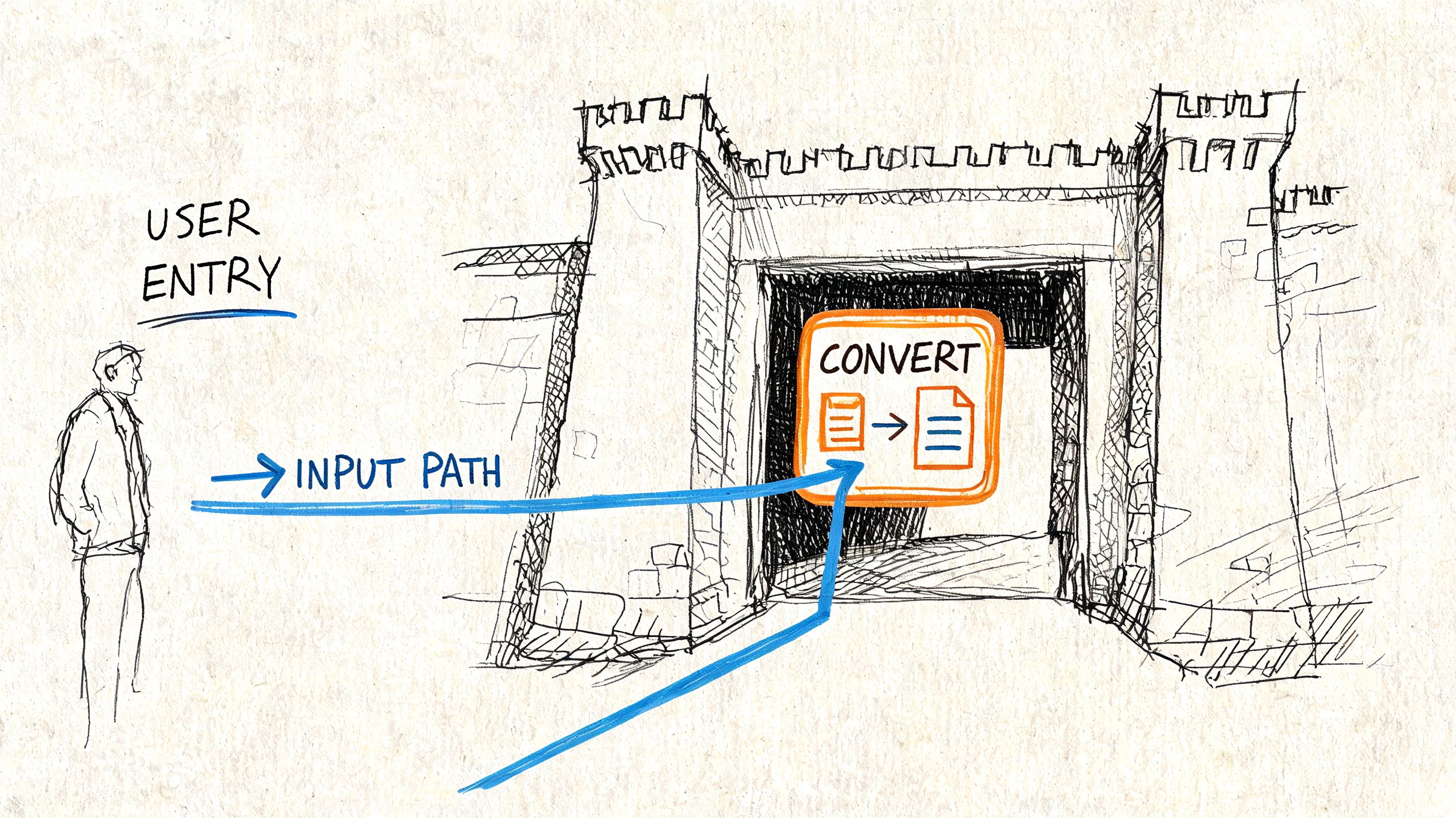
That matters even more as online buying continues to expand. Global e-commerce sales are projected to hit $7.41 trillion in 2026, and by 2027 e-commerce is expected to account for 23% of all global retail purchases based on e-commerce market projections. Even if you're not a pure online retailer, buyer expectations are shaped by those experiences.
Set goals your site can actually support
A contractor in Omaha doesn't need random national traffic. They need quote requests from nearby property owners. A neighborhood bakery doesn't need more homepage visits from out of state. They need mobile orders, catering inquiries, and accurate local information.
That changes how the site should be built.
A conversion-focused site usually starts with a short list of business actions:
- Lead generation: calls, form fills, booked consultations
- E-commerce sales: product views, cart starts, completed checkouts
- Local intent actions: map views, store visits, click-to-call
- Trust actions: review views, case study reads, email signups
If the homepage tries to do all of that equally, it often does none of it well.
What a high-converting website includes
The best small business sites are usually simple. They have strong structure, clear messaging, and fewer distractions.
Here's the working checklist I'd use for an Omaha SMB site:
- Clear first screen: State what you do, who you serve, and the main action you want.
- Fast mobile experience: A lot of local traffic comes from phones. Slow, cluttered pages lose buying intent quickly.
- Dedicated service or product pages: Don't force every visitor through the homepage.
- Trust proof: Reviews, process details, examples of work, policies, and clear contact options.
- Strong calls to action: “Request an estimate,” “Order online,” or “Book a demo” works better than vague prompts.
For teams refining the on-page experience, these UX strategies to boost ecommerce sales are a useful companion to standard CRO work.
A dedicated landing page is often the difference between traffic and results. This resource on landing page design best practices is a good reference if your campaigns keep sending people to generic pages.
Later in the process, reviewing your site visually helps catch friction that analytics alone may miss.
A website should answer three questions fast. Is this for me, can I trust you, and what do I do next?
Local example of the right trade-off
Take a bakery serving Midtown and Blackstone. A beautiful homepage matters less than practical conversion details. Can a customer order from a phone? Are pickup times clear? Do product pages load cleanly? Is the menu readable? Is there a catering inquiry path?
That's the right way to think about digital headquarters. Not as design for design's sake. As infrastructure for growth.
Attracting Ideal Customers with SEO and Content
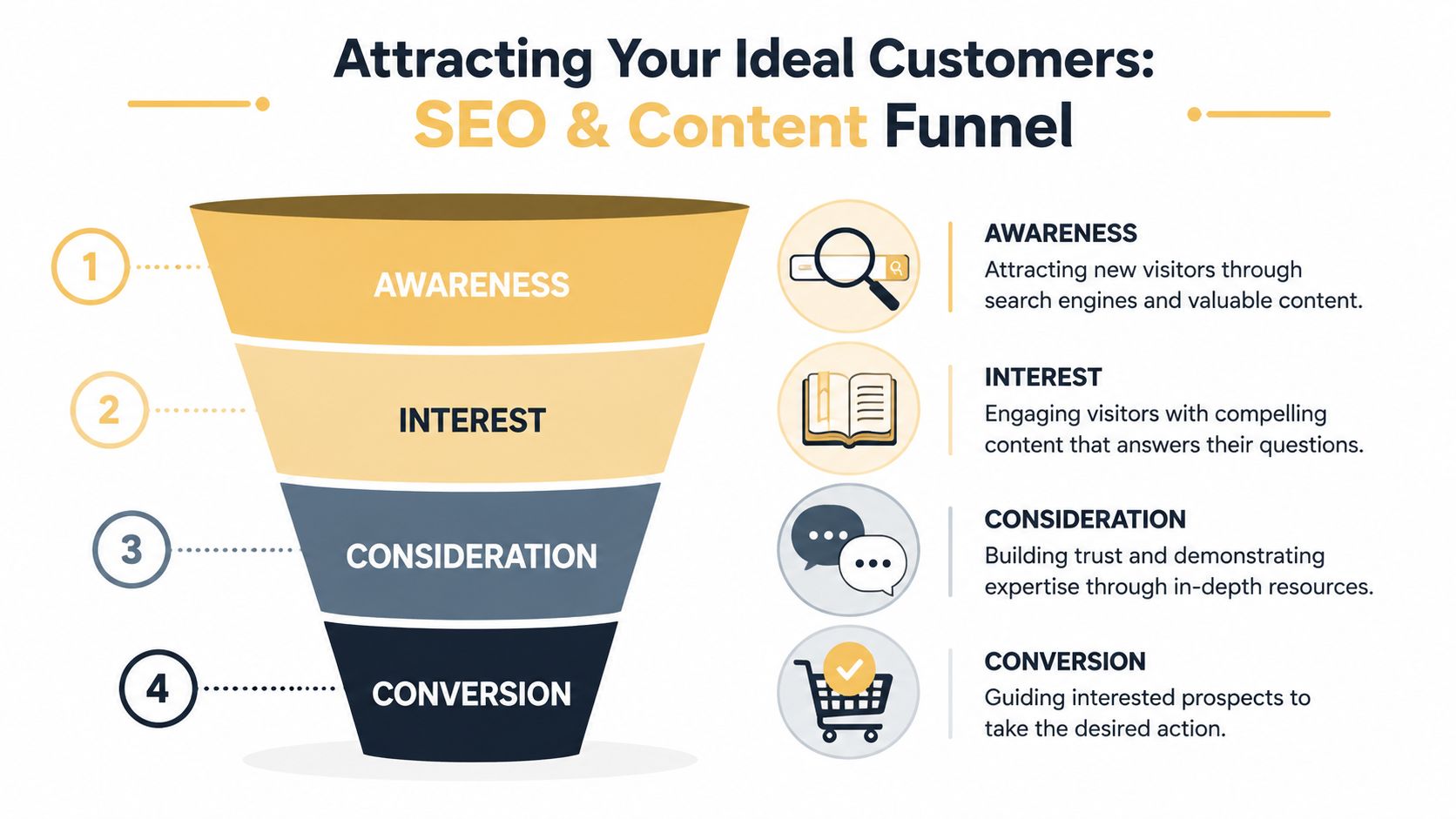
SEO and content work best when they operate as one system. Content gives buyers a reason to trust you. SEO helps the right people find that content when they already have intent.
A lot of businesses separate these functions. They publish blog posts with no search strategy, or they do keyword research with no real point of view. That creates content volume without business value.
Think like the customer, not like a marketer
If someone in Omaha searches for “roof repair estimate Omaha,” they don't want a general branding page. They want a service page that confirms location, explains the process, answers common concerns, and makes it easy to request help.
If someone searches for “how to choose ecommerce platform for a local store,” they're earlier in the decision cycle. A practical article, comparison, or checklist works better there.
That's how the engine runs:
- Search intent identifies what the buyer wants.
- Content answers it clearly.
- Site structure routes that visitor toward the right next step.
A practical local SEO checklist
For local businesses, SEO often starts with fundamentals rather than fancy tactics.
Use this checklist:
- Google Business Profile: Keep categories, hours, services, and photos accurate.
- Location consistency: Match your business name, address, and phone details across important listings.
- Local service pages: Build separate pages for major services and service areas when appropriate.
- Review generation: Ask for reviews as part of your delivery process, not as an afterthought.
- Question-driven content: Publish pages that answer the exact things prospects ask before buying.
If your team needs help tightening up the writing side, these SEO content writing tips are a useful place to start.
You do not need to depend on social media
One of the biggest mistakes I see is assuming growth has to come from constant posting. It doesn't.
Privacy regulations are reducing social ad efficacy by 25-30%, and targeted outreach plus partnerships can deliver 15% higher retention rates than social-only channels according to this small business growth analysis. That matters for owners who are tired of trying to build a business around algorithm changes.
So if social media drains time and attention, use content and SEO as your compounding asset, then support it with:
- Partnership content: guest posts, local collaborations, referral pages
- Directory visibility: especially for local and niche industry searches
- Email capture on helpful content: turn visitors into an owned audience
- Sales enablement content: FAQs, comparisons, process pages, and pricing guidance
Content that ranks but doesn't move a buyer closer to action is publishing for activity, not growth.
What to publish first
Don't start with whatever feels interesting that week. Start with what customers ask before they buy.
A strong opening content set often includes:
- Service pages tied to buyer intent
- Problem-solution articles based on real sales questions
- Comparison pages when prospects are evaluating options
- Proof content such as process explainers, case examples, or detailed FAQs
For Omaha businesses, this usually works better than broad trend content. Specific wins. Buyers search for help, not thought leadership for its own sake.
Accelerating Growth with Paid Acquisition and Email
Most wasted ad spend comes from the same mistake. Businesses pay to get attention, then send that attention to a generic homepage and hope people figure it out.
That's not a growth system. It's traffic dumping.
Why the invisible funnel works better
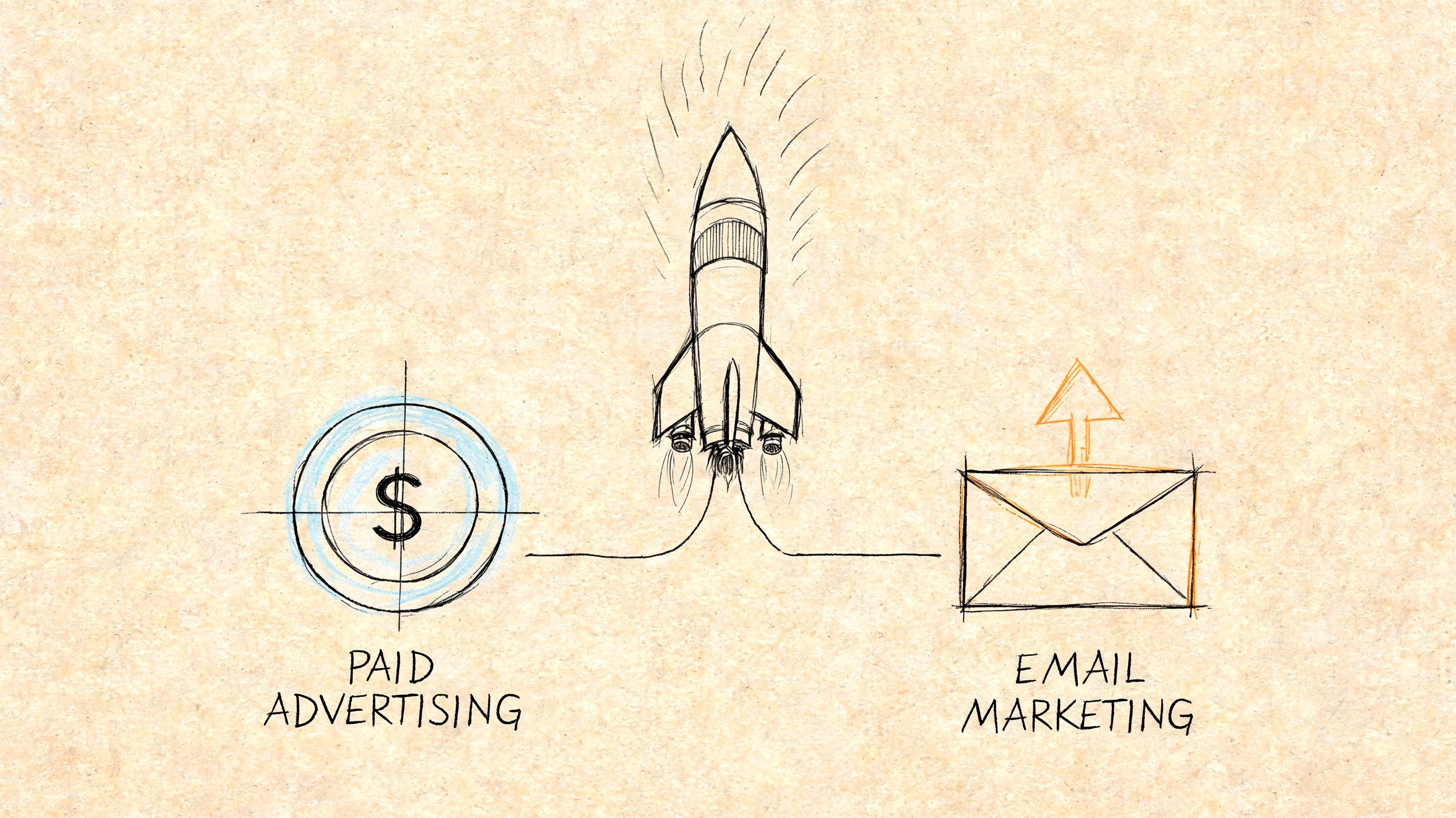
A smarter approach is the Invisible Funnel. The visitor sees a simple, relevant experience. Behind the scenes, you've matched the ad, landing page, form, and follow-up sequence to a specific intent.
That structure matters because an Invisible Funnel approach can produce 4-6x ROI on ad spend, dedicated landing pages can lift conversion rates by 20-30%, and following up within 5 minutes using automation can boost conversion by another 3x according to this funnel methodology breakdown.
What this looks like in practice
If you run a home services business in West Omaha, your paid campaign might target homeowners looking for a specific service. The ad should promise one thing. The landing page should continue that exact promise. The form should ask only for what sales needs to respond. The email and text follow-up should happen immediately.
Not later that afternoon. Not tomorrow.
Here's the structure:
- Ad targeting: Match campaigns to one audience and one offer.
- Landing page: Remove site-wide distractions and answer the buying question directly.
- Lead capture: Keep forms short unless your sales process needs more qualification.
- Follow-up: Trigger an automated confirmation, then route to a human response quickly.
- Email nurture: Send practical next steps, common questions, and proof that lowers hesitation.
Paid acquisition works when the click lands in a controlled environment. It fails when the visitor has to hunt for relevance.
Email is the multiplier, not an afterthought
A lot of owners treat email like a newsletter slot. It should be doing more than that.
Email can:
- Warm up new leads who aren't ready today
- Recover abandoned interest when someone clicks but doesn't convert
- Shorten sales cycles by answering objections in sequence
- Support repeat business with reminders, offers, or reorder prompts
For a local retailer, that may mean welcome emails, back-in-stock notices, and post-purchase follow-up. For a service firm, it may mean inquiry confirmation, educational drip emails, and reminders to schedule.
Where businesses usually get this wrong
Common mistakes are predictable:
- Sending all paid traffic to the homepage
- Running broad campaigns without a clear offer
- Letting leads sit too long before response
- Measuring clicks instead of qualified outcomes
- Writing emails that talk about the company instead of the buyer's problem
When paid ads and email are connected, growth becomes more predictable. When they're disconnected, spend rises and confidence drops.
Optimizing Performance with Data and Analytics
Online growth gets easier when you stop asking, “How do we get more traffic?” and start asking better questions. Which channel brings qualified leads? Which page leaks intent? Which offer produces buyers instead of browsers?
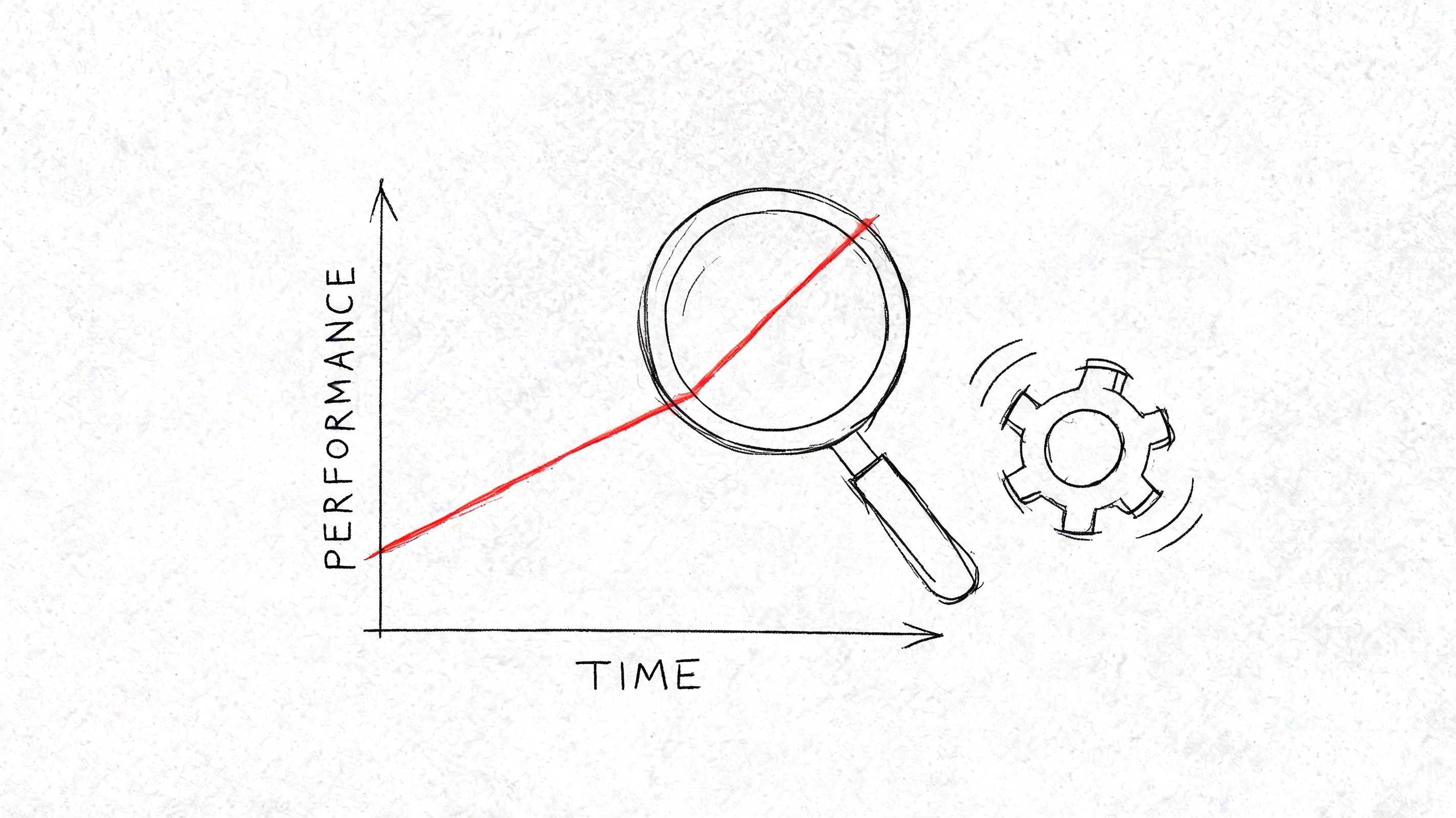
That's where analytics becomes useful. Not as a reporting ritual, but as an operating system.
Use a simple decision framework
The best framework for small teams is often the simplest one. Plan, Do, Study, Act.
Here's how that works in a business context:
| Step | What it means in practice |
|---|---|
| Plan | Pick one measurable improvement target and define the KPI |
| Do | Launch a controlled change such as a landing page variant, offer test, or email sequence |
| Study | Review results in GA4, CRM reports, call tracking, or e-commerce analytics |
| Act | Keep what worked, remove what didn't, and run the next test |
This keeps teams from making random edits based on opinions.
What to track first
Most SMBs don't need a giant dashboard. They need a small set of metrics tied to money and sales quality.
Start with:
- Lead volume and quality: Are the right people converting?
- Customer acquisition cost: What does it cost to win a customer?
- Customer lifetime value: Does the revenue justify the acquisition effort?
- Landing page conversion rate: Does traffic turn into action?
- Channel contribution: Which sources bring actual buyers?
One strong reason to stay disciplined here is that metrics-focused firms scale 2.5x faster than peers, 29% of startups fail due to poor metrics, and businesses that apply a data-driven improvement cycle can achieve 20-30% efficiency gains quarterly according to this metrics and scaling analysis.
What the data should change
Data should trigger decisions. If a page gets traffic but no inquiries, the issue may be messaging or CTA structure. If paid ads produce leads but sales close rates are weak, the targeting may be off. If organic content brings traffic with no commercial value, the keyword strategy may be too top-of-funnel.
The point of analytics isn't to prove marketing happened. It's to decide what to stop, what to fix, and what to scale.
For businesses that need outside support with the technical side, tools such as GA4, Hotjar, Search Console, HubSpot, and custom reporting setups can all play a role. An Omaha agency like Up North Media is one option for businesses that need help connecting SEO, web performance, and AI-driven reporting into one measurement process.
Small tests beat big redesigns
A lot of owners assume optimization means rebuilding everything. Usually it doesn't.
A better approach is to test smaller changes:
- headline clarity
- CTA wording
- form length
- page layout
- product page detail
- trust elements near the conversion point
That's how teams improve steadily without breaking what already works.
Future-Proofing Your Growth with AI and Automation
Once the core engine is working, the next constraint is usually time. Teams can't keep writing every draft from scratch, answering every repetitive question manually, or managing every follow-up task one by one.
That's where AI becomes useful. Not as a replacement for strategy, but as a tool to amplify your results.
Use AI where repetition slows growth
The practical uses are straightforward.
For marketing teams, AI can help with:
- Content ideation: turning customer questions, sales calls, and search topics into article outlines
- Draft support: creating first versions of product descriptions, service page blocks, or email sequences
- Pattern analysis: spotting recurring themes in reviews, support tickets, and feedback
- Ad assistance: generating variant copy for testing and refining audience messaging
For operations teams, automation can handle scheduling, reminders, routing inquiries, and tagging leads based on intent. For service businesses, that means fewer missed handoffs. For retailers, it means faster responses and better customer experience.
AI should improve speed without flattening quality
The trade-off is real. AI can create output fast, but speed without oversight creates generic content and weak messaging.
Use it to accelerate:
- first drafts
- idea generation
- categorization
- summarization
- repetitive customer service workflows
Don't use it to publish unreviewed material that sounds like everyone else in your market.
A good rule is to let AI do the assembly work while your team handles judgment. Brand voice, offer positioning, pricing nuance, and local knowledge still need a human in the loop.
Strong automation usually follows proven workflows
Businesses often try to automate chaos. That rarely ends well.
Automate only after the process works manually. If your lead intake process is messy, adding AI won't fix it. If your email follow-up sequence doesn't answer buyer objections, automation just sends weak messaging faster.
For e-commerce, one of the more practical applications is conversational assistance on product selection, support, and cart recovery. If you're evaluating that route, this overview of Carti's AI-powered e-commerce assistant is a useful example of how AI chat can support buying journeys.
What this looks like for an Omaha SMB
A local retailer might use AI to suggest related products, answer common policy questions, and support after-hours inquiries. A law firm or contractor might use automation to qualify inbound leads, route them by service type, and trigger appointment reminders. A publisher might use it to cluster content ideas and identify topical gaps.
The operational advantage is significant. You free up human time for sales, service, and strategic decisions while routine work happens faster and more consistently.
Frequently Asked Questions About Online Growth
These are the questions that usually come up once a business owner starts taking digital growth seriously.
| Question | Answer |
|---|---|
| How much should I spend to grow online? | Start with the smallest budget that lets you measure a real outcome. Put money into the foundation first, usually your website, core SEO pages, and conversion tracking. Add paid acquisition when you can send traffic to a focused landing page and respond to leads quickly. |
| How long does online growth take? | Some changes produce signals quickly, especially paid campaigns and conversion fixes. SEO and content usually take longer because they build momentum over time. The right expectation is steady improvement, not instant dominance. |
| Do I need social media to grow? | No. Many businesses grow through search, partnerships, email, directories, outreach, and strong websites. Social can help, but it shouldn't be treated as the only path. |
| Should I do this myself or hire help? | Do it yourself if you have time, technical comfort, and a clear process. Get help when execution is inconsistent, your site can't support growth, or you're spending money without reliable reporting. |
| What should I fix first if I'm starting from scratch? | Fix your offer clarity, your website's conversion path, your Google visibility for core services, and your follow-up process. Those four areas usually create the biggest early lift. |
| What if I'm getting traffic but not leads? | Check the intent match. The wrong visitors, weak messaging, poor CTAs, or slow mobile experience can all break conversion. Traffic without a conversion path is just noise. |
The businesses that grow online usually aren't doing everything. They're doing the right things in the right order, then improving them with discipline.
If you want a practical growth plan built around your business model, Up North Media helps Omaha companies improve the parts that drive revenue, including web app development, SEO, and AI-powered automation. A useful next step is a direct review of your current site, traffic sources, and follow-up process so you can see where growth is getting stuck.