
Your store is live. Products are loaded. Orders come in, but not enough of them. You’ve probably already done the obvious work: cleaned up product titles, installed an SEO plugin, maybe published a few blog posts, and waited for rankings to move.
Then the plateau hits.
That’s the point where many store owners realize WooCommerce isn’t the problem. The platform is powerful, but growth rarely happens from setup alone. A woocommerce seo agency becomes relevant when your store is technically functional but commercially under-optimized, especially when category pages don’t rank, product filters create index bloat, and search traffic doesn’t turn into revenue.
Why Your WooCommerce Store Isn't Growing on Its Own
A lot of WooCommerce stores stall for the same reason. The catalog is decent, the branding is fine, and the ads may even be profitable, but organic search never becomes a dependable growth channel. The store exists online, but it doesn’t consistently surface when buyers are actively searching.
That’s frustrating because WooCommerce is not a niche platform. It powers approximately 6.5 million live websites, represents at least 30% of all online stores, holds 38.76% market share, and powers 7% of global online sales, according to WooCommerce platform statistics compiled by Blacksmith Agency. In other words, you’re building on a system with enormous reach. The opportunity is there. The competition is too.
A common mistake is assuming search growth will come from publishing more pages or tweaking meta titles in isolation. It usually doesn’t. WooCommerce stores have moving parts that standard SEO advice skips over: product variations, duplicate category intent, faceted navigation, plugin conflicts, thin manufacturer descriptions, and templates that weren’t built around crawl efficiency.
Practical rule: If your store can be browsed easily by customers but can’t be understood cleanly by search engines, growth slows fast.
For Omaha businesses, there’s another layer. You may be competing in local and national search at the same time. A regional retailer can’t afford wasted effort. You need category pages that rank, product pages that qualify traffic, and content that supports real buying paths. If sales have flattened, it helps to review broader ways to boost ecommerce sales, but SEO usually becomes the lever that compounds over time when the foundation is right.
That’s where a specialized agency matters. Not because WooCommerce is mysterious, but because the details that hold back growth are usually technical, structural, and tied directly to revenue.
Preparing for Your Agency Search
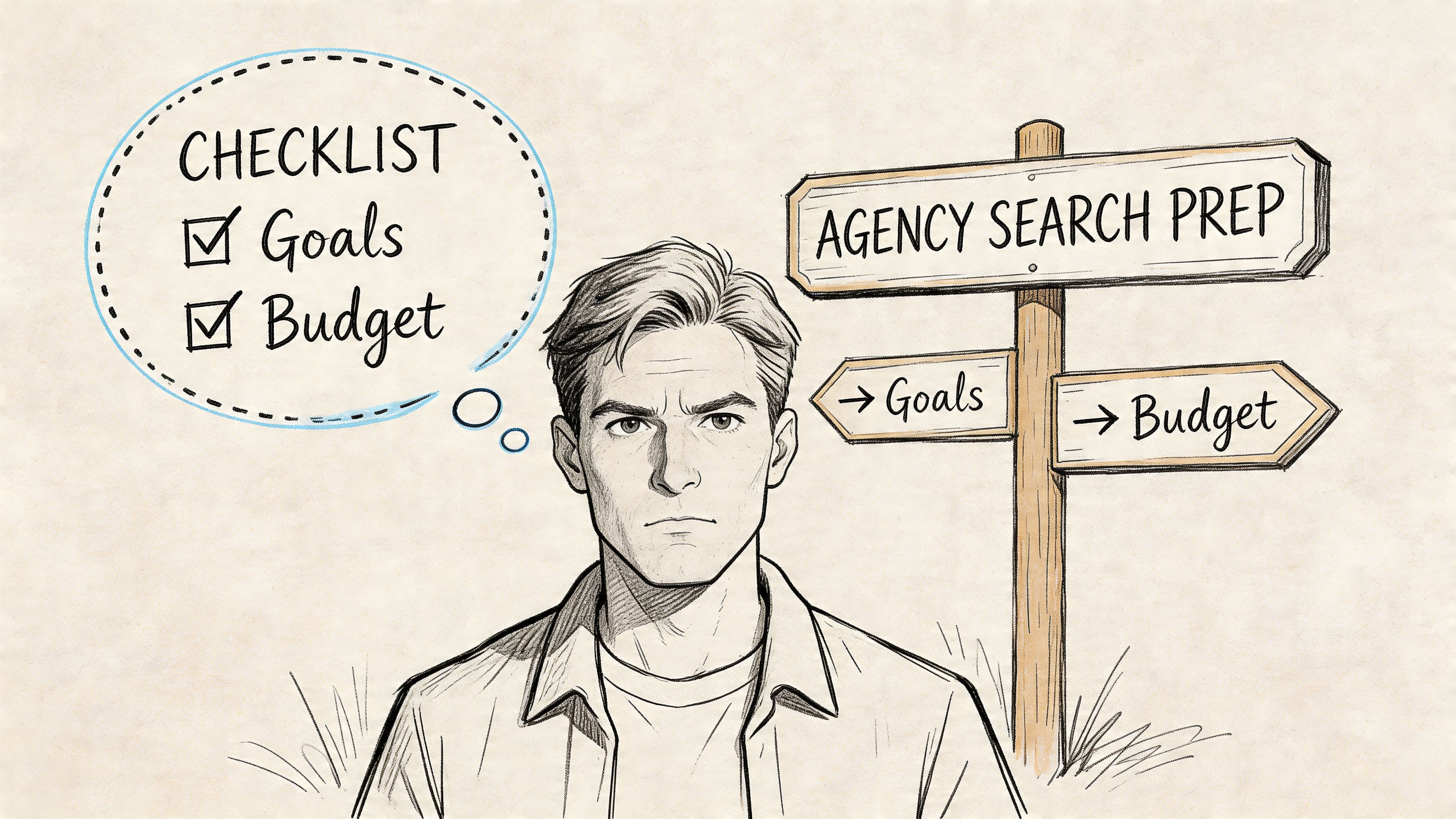
Before you contact agencies, get your house in order. You don’t need to become an SEO strategist, but you do need clarity. The best engagements start when the client can explain what success should look like in business terms, not just “more traffic.”
Define the outcome before the tactic
SEO goals should map to store goals. If your average order value is too low, category architecture and cross-sell content may matter more than broad blog traffic. If your margins depend on a handful of product families, those collections should lead the roadmap. If you’re entering a new market, keyword targeting and landing page intent become the issue.
Write down what matters most over the next operating cycle. Keep it simple:
- Revenue focus: Which product categories matter most to the business right now?
- Margin reality: Which products can you afford to push organically?
- Customer quality: Are you attracting buyers, researchers, or bargain hunters?
- Operational constraints: Can your team create content, approve edits, and implement development fixes?
An agency can help refine strategy. It can’t choose your business priorities for you.
Pull the data you already have
Most stores already have useful signals. They’re just spread across tools and nobody has organized them into a decision-making view.
Before your first call, gather access or exports from:
- Google Search Console: Query data, top pages, indexing issues, and branded versus non-branded visibility.
- Google Analytics: Organic landing pages, assisted conversions, product revenue by channel, and user behavior.
- WooCommerce reports: Best-selling products, low-converting categories, and seasonal movement.
- SEO plugins: Settings from Rank Math or Yoast, plus any schema or sitemap configurations currently in place.
If you can’t access one of those systems, note that upfront. Missing access is common. Hiding it slows everything down.
Run a basic self-audit
You’re not trying to replace the agency’s audit. You’re trying to avoid a vague kickoff.
Ask yourself:
- Which pages already bring in organic sessions?
- Which product or category pages should rank but don’t?
- Are out-of-stock, filtered, tag, and search-result pages being indexed when they shouldn’t be?
- Has site speed become noticeably worse after adding plugins or apps?
- Are your product descriptions unique, or are they copied from suppliers?
Bring screenshots, exports, and examples to the first meeting. Specific problems lead to specific recommendations.
Decide how involved you want to be
Some clients want strategy and approvals. Others want a partner that can coordinate copywriters, developers, analytics, and implementation. Neither approach is wrong, but it changes who you should hire.
If your internal team is lean, say so. A strong agency will design around that instead of assuming someone on your side will “handle content later.”
How to Properly Vet a WooCommerce SEO Agency
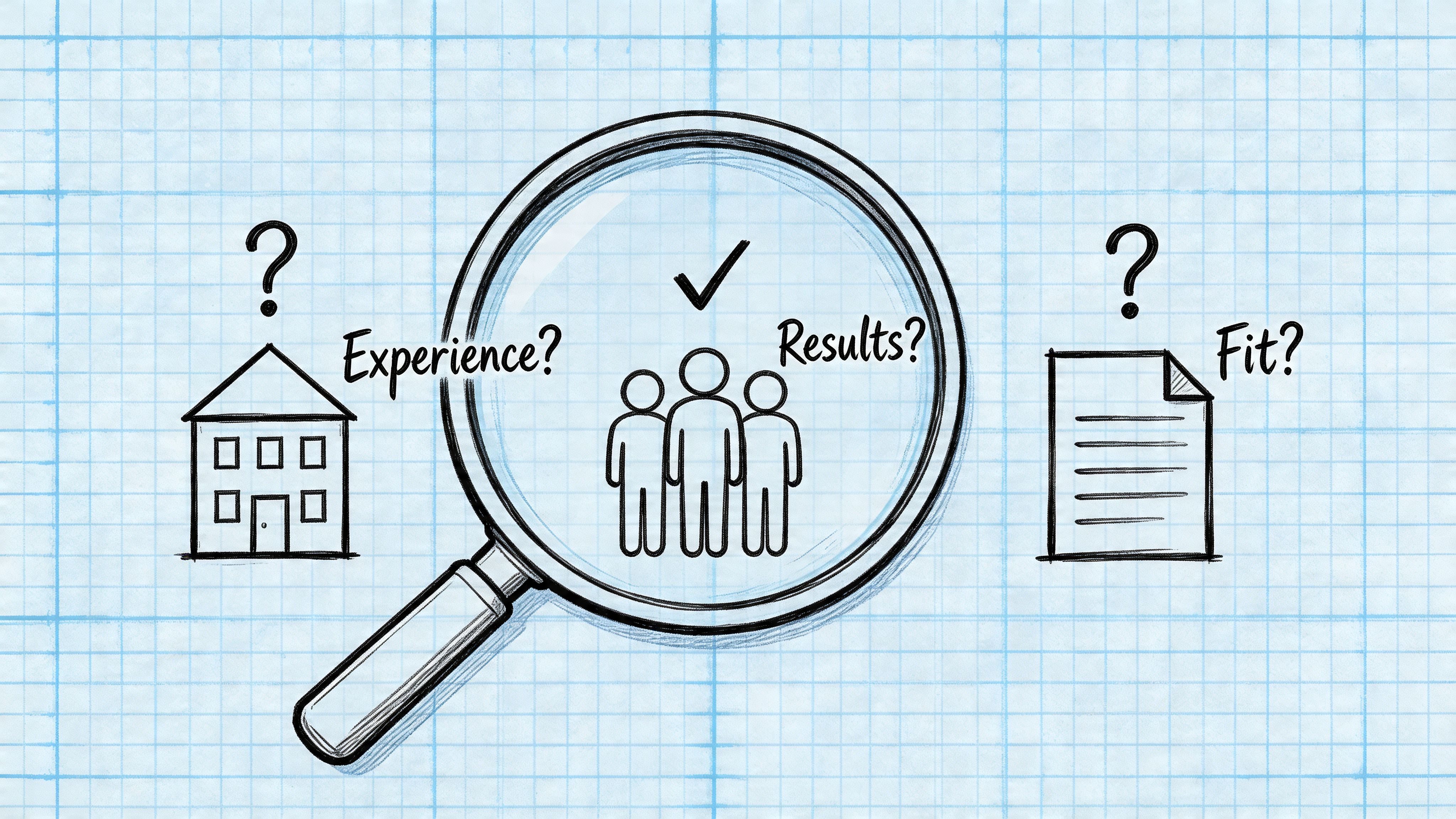
Most agencies say they “do ecommerce SEO.” That phrase alone doesn’t mean much. A real WooCommerce specialist should be comfortable discussing how WordPress behavior, WooCommerce templates, and plugin decisions affect crawling, indexing, and conversion.
Ask questions that expose real experience
Skip broad prompts like “What’s your process?” Every agency has a slide for that. Ask questions that force practical answers.
Try these instead:
- Faceted navigation: How do you handle filter URLs, sort parameters, and duplicate collection paths?
- Product variants: When a product has multiple variations, how do you prevent cannibalization and thin indexing?
- Plugin load: Which plugins commonly create performance or SEO problems on WooCommerce sites?
- Template control: Can your team work with custom themes, child themes, and page builders without breaking layouts?
- Schema handling: How do you validate Product, Review, and Breadcrumb schema if a plugin outputs incomplete markup?
The quality of the answer matters more than the confidence of the delivery. Good agencies usually answer with trade-offs, not absolutes.
Request a small but meaningful pre-sales audit
A serious agency should be willing to review enough of your store to identify likely bottlenecks. That doesn’t mean a full engagement for free. It means an informed point of view.
What you want to see:
- Technical observations: Indexation issues, canonicals, duplicate templates, speed concerns, schema gaps
- Content findings: Weak category copy, missing commercial pages, poor internal linking, low-intent blog focus
- Measurement gaps: Missing event tracking, unclear conversion attribution, reporting blind spots
If the agency only talks about backlinks or rank tracking, that’s too shallow for WooCommerce.
A helpful benchmark is whether they can explain the difference between traffic that looks good in a report and traffic that drives sales. If you’re comparing options, this guide on how to hire an SEO company can help you pressure-test what you hear in sales calls.
Watch for red flags in the pitch
Some warning signs are obvious. Others show up in the tone of the proposal.
Agencies that guarantee specific ranking positions usually want the sale more than they want the right expectations.
Common red flags include:
- Guaranteed rankings: Search isn’t sold that way by credible operators.
- Vanity-first reporting: Heavy focus on impressions with little discussion of revenue pages or conversion quality.
- Generic audits: Recommendations that could apply to any website, not a WooCommerce store.
- No implementation plan: Plenty of findings, no clear path for who executes what.
- Thin ownership: A salesperson leads the call, but nobody technical joins when complex questions come up.
Here’s a useful reference point before more interviews. This overview frames agency evaluation from a business perspective:
Score the partner, not the presentation
The best agency may not have the flashiest deck. What matters is whether they can connect search visibility to merchandising, content, UX, and store performance.
A good vetting scorecard usually comes down to four things:
| Evaluation area | What strong looks like |
|---|---|
| WooCommerce depth | Speaks clearly about templates, plugins, indexing, and product architecture |
| Strategic fit | Understands your catalog, margins, and buying journey |
| Execution model | Can explain who writes, who implements, who QA checks |
| Reporting discipline | Measures commercial outcomes, not just SEO activity |
If they can’t talk fluently about all four, keep looking.
The Pillars of a High-Impact WooCommerce SEO Strategy
A good WooCommerce campaign doesn’t start with content calendars or backlink outreach. It starts with architecture, crawl logic, and the pages that should make you money. Everything else builds from that.
Technical SEO that supports revenue
WooCommerce creates SEO opportunities and SEO messes at the same time. Product filters can multiply URLs. Themes can bloat page output. Plugins can introduce conflicting schema or duplicate metadata. A high-impact strategy starts by deciding what should be indexed, what should be consolidated, and what should stay out of search entirely.
That technical work matters because for ecommerce sites, conversion rates peak between 1 to 2 seconds of load time, averaging 3.05% at 1 second and dropping to 0.67% by 4 seconds, according to ResultFirst’s WooCommerce SEO analysis. The same source notes that proper schema markup implementation can achieve 20 to 30% higher conversion rates. That’s why technical SEO isn’t a cleanup phase. It’s a sales lever.
In practice, we look closely at:
- Indexation control: Category pages, tags, internal search pages, parameter URLs, and pagination behavior
- Schema output: Product, Review, and Breadcrumb schema generated by Rank Math, Yoast, or custom theme logic
- Performance bottlenecks: Oversized images, JavaScript-heavy widgets, render-blocking assets, bloated plugin stacks
- Crawl consistency: Canonicals, broken internal links, redirect chains, and duplicate product paths
The fastest way to waste SEO budget is to publish more content on top of a store Google can’t crawl cleanly.
Content that matches buying intent
A lot of store content fails because it’s either too thin to rank or too informational to sell. Category pages often have almost no useful copy. Blog content often targets broad topics that attract visitors who were never close to purchasing.
A stronger approach connects content to intent tiers. Category pages target commercial searches. Product pages answer objections, clarify specs, and support comparison behavior. Editorial content fills the gap between curiosity and purchase.
That usually means building around questions like these:
- What does the buyer search before they know your product name?
- Which category pages deserve expanded copy, FAQs, and internal links?
- Which comparison or guide articles can push users toward revenue pages?
- Where are customers hesitating because the product page doesn’t answer practical questions?
If your team wants cleaner attribution between traffic patterns and store outcomes, a tool connection like Google Analytics mcp can help centralize performance analysis without relying on fragmented screenshots and manual exports.
Authority and internal structure
Off-page authority still matters, but WooCommerce stores often get more immediate gains from stronger internal linking and clearer page hierarchy. Agencies that jump straight to link building can miss easier wins inside the store itself.
Review your store the way a buyer moves through it. Can a visitor discover related categories naturally? Do high-margin collections receive enough internal link equity? Are seasonal pages orphaned for most of the year? Those are SEO decisions as much as merchandising decisions.
If you want a broader operational checklist, these ecommerce SEO best practices are useful alongside a store-specific strategy.
Structuring the Partnership for Measurable Success
The agency relationship usually breaks down in one of three places: pricing confusion, vague deliverables, or reporting that sounds active but says very little. A strong partnership fixes those issues before work starts.
The first thing to understand is that pricing models shape behavior. A monthly retainer tends to support ongoing optimization. A project model is better for a fixed audit or migration. Performance structures can sound attractive, but they often create disputes about attribution, timing, and what counts as a win.
Compare the model before signing the contract
Here’s a practical way to think about common arrangements.
| Pricing Model | Typical Cost (Monthly) | Best For | Key Consideration |
|---|---|---|---|
| Retainer | Varies by scope | Stores that need continuous technical, content, and reporting work | Make sure the scope defines deliverables, implementation roles, and review cadence |
| Project-based | Varies by project size | Audits, migrations, schema cleanup, site restructures | Good for finite work, weaker for long-term growth if no ongoing support follows |
| Performance-based | Varies by agreement | Businesses comfortable with more complex attribution discussions | You need a clear definition of what success is tied to and how it’s measured |
Avoid choosing on price alone. Cheap retainers often produce task lists without strategic prioritization. Expensive retainers can still underperform if the team doesn’t understand ecommerce economics.
Set expectations with real timelines
SEO doesn’t reward impatience, but it also shouldn’t be framed as indefinite. Verified performance data from a specialized agency shows results can include 115,000 clicks and 73,600 monthly organic visitors, with +177% growth in 3 months, and early gains typically emerge in 2 to 3 months, with more consistent growth in 4 to 6 months, according to Amra & Elma’s review of WooCommerce SEO services.
That doesn’t mean your store will replicate those exact outcomes. It does mean a credible agency should be able to tell you what should happen first. In most engagements, the order is predictable: technical issues get surfaced, priority pages improve, indexing becomes cleaner, and only then does broader organic growth become more stable.
Good SEO reporting answers three questions: what changed, why it changed, and whether the change moved the business.
Build reporting around decisions
Monthly reports should help you choose what to do next. They shouldn’t just archive activity.
Useful reporting usually includes:
- Organic revenue trends: Which landing pages and product groups contribute to sales
- Landing page performance: Category, product, and editorial page behavior by intent
- Keyword movement by priority set: Not every keyword matters equally
- Technical status: Open issues, fixes shipped, and risks still unresolved
- Content production status: What was published, updated, or deferred
If you want a solid external framework for better communication between agency and client teams, this guide to mastering agency client reporting is worth reviewing before kickoff.
Lock down the onboarding details
A clean onboarding process saves weeks of drift. Before the contract is live, confirm:
- Access: Search Console, Analytics, WordPress, WooCommerce, tag manager, hosting, and CDN tools if relevant
- Approvals: Who signs off on copy, development changes, redirects, and template edits
- Ownership: Which side handles implementation, QA, and deployment timing
- Cadence: Monthly review calls, escalation paths, and the preferred reporting format
The best partnerships feel boring in the right ways. Clear scope, clean reporting, and fast approvals beat flashy strategy decks every time.
The Omaha Advantage and Your First 90 Days
A lot of businesses still think SEO is mostly a national game and local context doesn’t matter unless they run a pure service company. That’s outdated. For many WooCommerce brands, especially in a market like Omaha, local business knowledge changes how strategy gets prioritized.
A local team usually understands your buying environment better. They can weigh regional demand patterns, local brand recognition, offline sales realities, and the practical constraints of a lean internal staff. That affects which categories get pushed first, how content gets framed, and how quickly decisions get made.
Why local context still matters
For Omaha businesses, the advantage isn’t just geography. It’s speed and clarity. Strategy gets better when the agency understands your market, can meet in person when needed, and doesn’t treat your store like a generic ecommerce template.
That becomes even more important as AI enters the workflow. A lot of agencies still treat AI as a copy shortcut. That’s too narrow. The more useful view is operational and strategic: personalization, internal linking logic, content adaptation, and faster SEO maintenance across large product sets.
According to Quadcubes’ discussion of WooCommerce SEO and AI, AI-driven personalization can boost conversion rates by 15 to 20% through real-time content adaptation, and the same source says emerging AI trends from the last 12 months, such as machine learning models for automated internal linking, are prioritized by Google’s 2026 algorithm updates as a forward-looking development. That matters because static SEO workflows are becoming less competitive.
A modern WooCommerce SEO agency shouldn’t ask only, “What keywords should we target?” It should also ask, “What can we automate, personalize, and improve continuously?”
What the first 90 days should look like
The first three months shouldn’t feel mysterious. A strong engagement usually follows a clear sequence.
Month 1 is about audit and foundation. The agency reviews indexation, technical debt, template behavior, analytics quality, page priorities, and content gaps. You should leave this phase with a roadmap, not just a list of problems.
Month 2 is where implementation starts. Core fixes get deployed, schema issues are cleaned up, priority category pages are rewritten or expanded, and internal linking improves. If AI has a role, this is often when workflow automation or content adaptation pilots begin.
Month 3 is refinement. Early data comes in. The agency adjusts based on crawl behavior, ranking movement, landing page engagement, and conversion quality. Reporting should become more specific because the baseline is now established.
The stores that get the most from this period are the ones that stay engaged. Fast feedback, clean approvals, and realistic expectations usually outperform passive oversight.
If you’re looking for an Omaha partner that combines SEO strategy, WooCommerce expertise, and AI consulting, Up North Media is built for that kind of growth work. Their team helps businesses turn search visibility into measurable revenue with customized technical SEO, conversion-focused execution, and practical support from people who understand the local market.